MVP Apps Lets Startups to Spend Little and Get More
Table of Contents
Subscribe To Our Newsletter

Summarize with AI
Not enough time? get the key points instantly.
Oh, to be a startup in 2017. We’ve long passed paying the hefty bills a Mobile app development company may cost for an app that you’re not sure will solve a definite problem of your users or not. It was and is now possible to build an engaging, raw form of your project idea built after building a deep marketing and business strategy, no extra resources are required.
If there’s a downside, it’s just that it can be time-consuming and requires a fair bit of know-how. MVP development aka Minimum viable product is a product with a minimum set of features that solves a definite problem of users. Let’s get the words straight.
What is An MVP?
Eric Ries, who helped popularize the concept, defines MVP (Minimum Viable Product) as the ‘version of a new product which allows you to collect the maximum amount of validated learning about your customers with the least amount of effort.’
In essence, an MVP has enough value that could prompt people to use it or buy it initially. For startups, it is a good starting point that can help them better understand their audiences and their requirements and define a proper plan for its launch and growth. It’s a low-budgeted key to retain early adopters by demonstrating the app features and functionalities. Hence this process helps startups achieve a feedback loop that further guides future development.
Now we can fairly say “MVP’s key aim is to reduce resources, save time, engage your first users and provide your potential audience with a solution quite quickly to get real and useful feedback”.
Facts That Supports MVP’s Necessity for Startups
- 74% of high growth internet startups do not succeed because of premature scaling;
- At the same time startups that scale properly grow about 20 times faster;
- 29% of startups run out of money before they are fully established.
How Can You Benefit From Developing An MVP?
1. Minimize initial development costs
You can drastically trim down the development costs by opting for an MVP since its feature set is minimal, requiring less time and manpower to bring the software to life.
2. Test your business project by quickly moving to market
Get your idea tested by airing your software into the hands of targeted users. Check if it merits in successfully in solving the key problems of users. Also, you can fend off competitors by making your software go LIVE much quicker than a full-scale version in a shortened timeline.
3. Get your early adopters and first-paying customers
Create early customer relationships while you test the validity and viability of your new software. Attract potential customers who are engaged with your product. Furthermore, with the ongoing testing process, you can get your first paying customers, adding to your source of income.
4. Get Users opinion about your product
As you test your MVP amongst your audiences, you start getting feedback from the users and if the feedback does not align with your plans you can quickly pivot to the alternate defined path for your software that can better match the demands of audiences. This way you can adapt and react more efficiently.
5. Save your time and efforts
MVP development saves your efforts and time. It helps you to plan your startup with great wisdom and peculiarity without stepping ahead recklessly.
Types of MVP
- Wireframes;
- Mockups;
- Explainer video;
- Landing page;
- Website;
- Mobile app;
- Software prototype
The Final Thought
By building an MVP you can also better understand your core idea and make notes of the most vital features and tasks of your startup.
Featured Blogs
Read our thoughts and insights on the latest tech and business trends
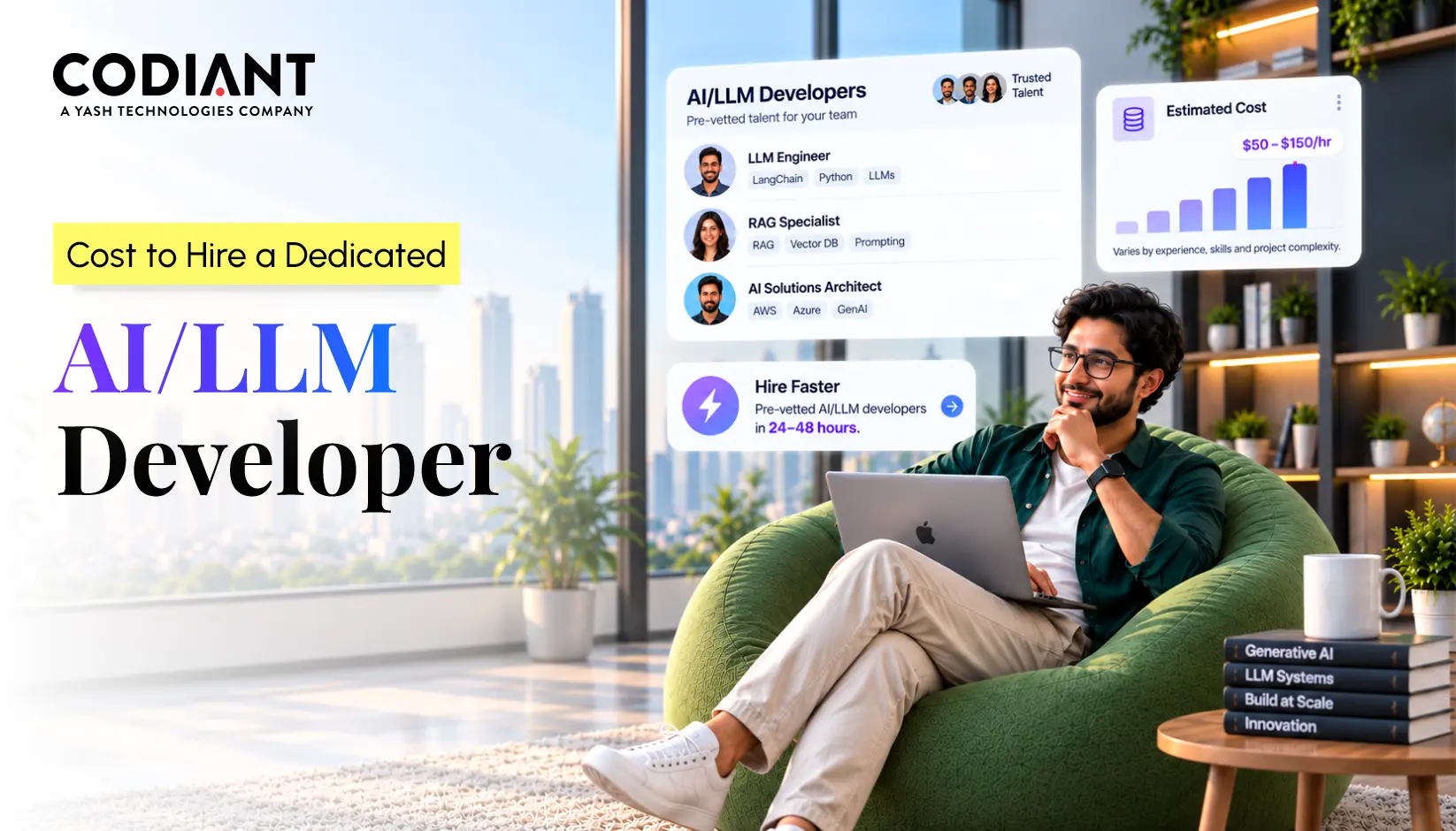
How Much Does It Cost to Hire a Dedicated AI/LLM Developer in 2026?
- September 8, 2026
- Artificial Intelligence Staff Augmentation
Hiring a dedicated AI or large language model (LLM) developer typically costs $35–$60 per hour for general AI engineering and $50–$200 per hour for specialised machine learning work, with enterprise pricing rising for advanced RAG,... Read more
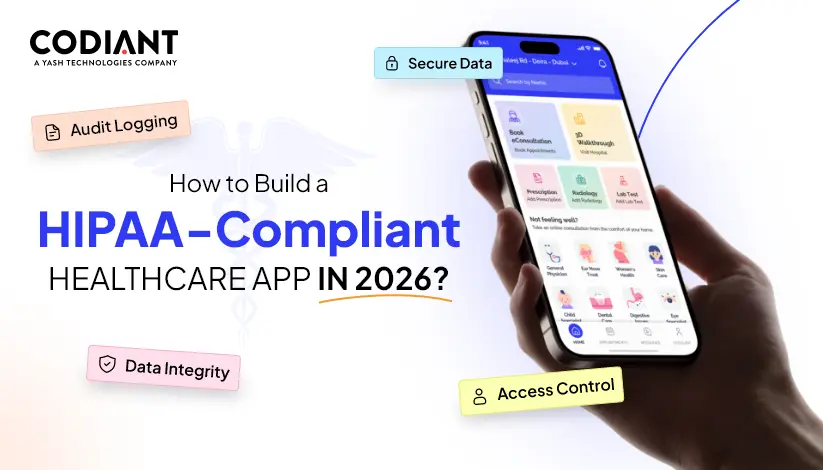
HIPAA-Compliant App Development in 2026: How to Build Securely and Avoid Preventable Fines
- September 4, 2026
- Mobile App Development
HIPAA-compliant app development in 2026 requires six foundations: complete ePHI mapping, documented risk analysis, role-based access, encryption, signed business associate agreements, and continuous security monitoring. This matters most to healthcare CTOs, product leaders, and compliance... Read more
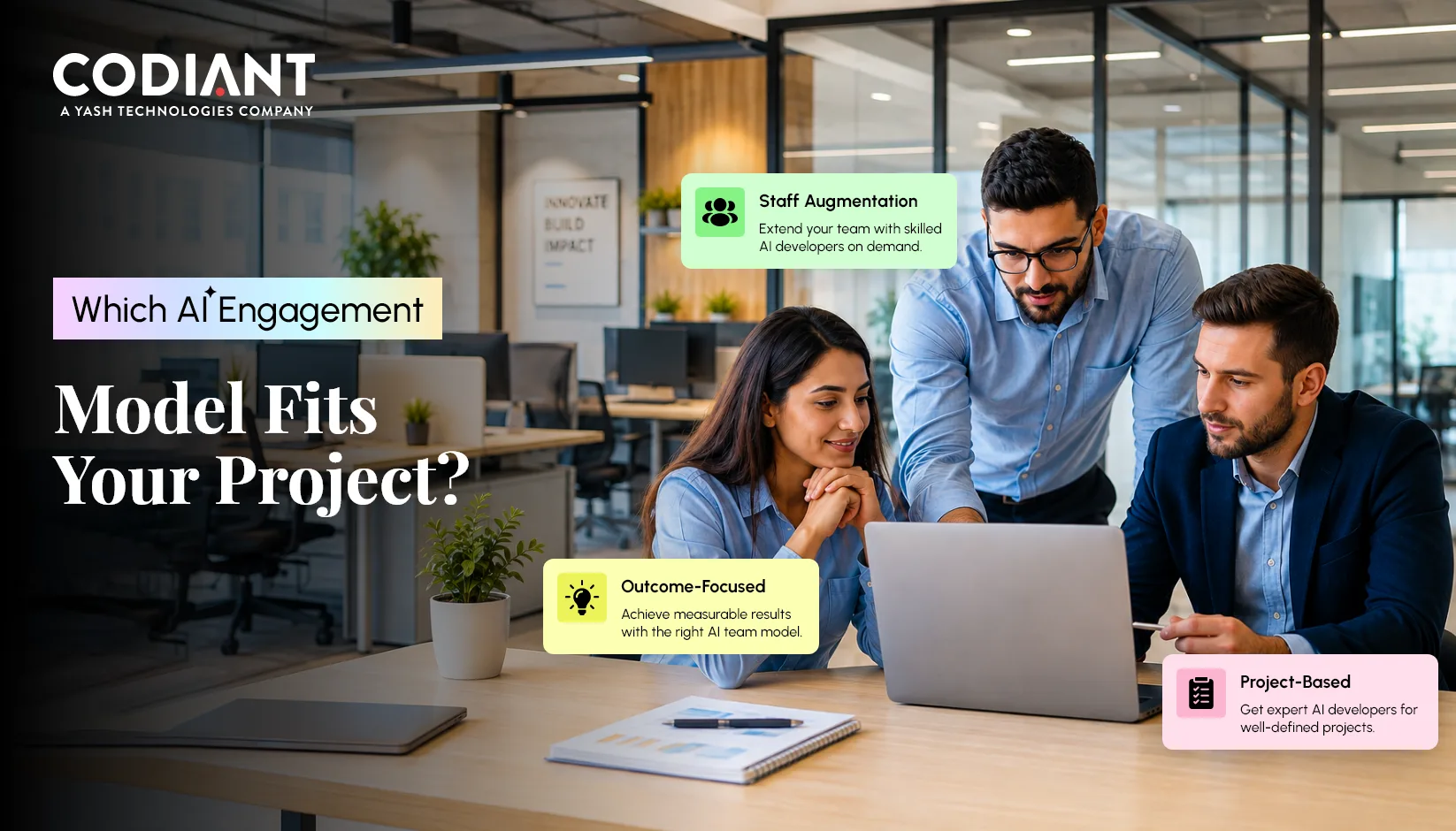
AI Developer Engagement Models Explained: How to Choose the Right AI Team
- August 27, 2026
- Artificial Intelligence
AI developer engagement model means deciding how external AI specialists will be assigned, managed, paid and held accountable. The main options are dedicated AI developers, AI team augmentation, time-and-material delivery, fixed-price projects and end-to-end AI... Read more