Bunzl – Automating Multi-Brand Product Websites with Dedicated WordPress Developers
Bunzl hired dedicated WordPress developers from Codiant to build and support a connected website ecosystem where product information could be retrieved from Microsoft Azure, processed automatically, and published across brand-specific WordPress platforms.
Book a Demo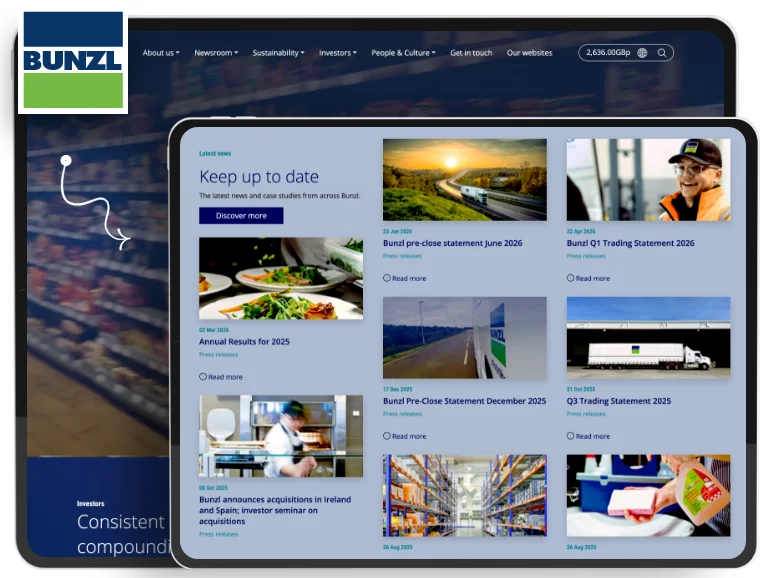
About the project
Bunzl is a global distribution and outsourcing organization serving businesses across the Americas, Europe, Asia Pacific, the UK, and Ireland through a broad portfolio of essential products and services.
Its digital ecosystem includes informational websites, product catalogue platforms, and brand-focused websites such as Own Brands and Chefs’ Seal. These platforms depend on continuously updated product information maintained within centrally managed source files.
Bunzl hired dedicated WordPress developers from Codiant to extend its internal development capacity and implement custom import automation, Azure Storage connectivity, scheduled data processing, brand-level product filtering, WordPress backend functionality, and ongoing website support.
Challenge
Bunzl managed several WordPress websites with different purposes, content structures, product ranges, and brand requirements. While some websites primarily communicated company information, others needed to display extensive product catalogues sourced from centrally maintained files.
Manually downloading, checking, and importing updated product files would have created repetitive work for internal teams. It could also have resulted in delayed catalogue updates, inconsistent product details, missed files, or differences between the source data and information displayed online.
The challenge became more complex because the same centralized product source supported multiple websites. Own Brands required access to the broader product catalogue, while Chefs’ Seal needed only products associated with its specific brand.
Bunzl therefore required experienced WordPress developers who could create a dependable synchronization process without forcing administrators to perform daily technical tasks or maintain separate product databases for every website.
Approach
Codiant assigned dedicated WordPress developers who worked as an extension of Bunzl’s digital team and focused on the technical relationship between Azure-hosted source files and the company’s WordPress websites.
The engagement began with an assessment of the existing websites, import file structures, product attributes, brand identifiers, WordPress database requirements, and update frequency.
Instead of treating imports as isolated administrative activities, the developers engineered an automated workflow supported by a custom WordPress plugin, Azure Storage connectivity, scheduled cron jobs, and configurable import processing.
Separate import rules were created for each website. This allowed Own Brands to receive the complete applicable product dataset while Chefs’ Seal processed only records matching its brand criteria.
The augmented team also supported testing, issue resolution, import monitoring, WordPress maintenance, and adjustments required as product files or website requirements evolved.
Discovery phase
The dedicated developers reviewed Bunzl’s WordPress environments, product catalogue structures, source-file locations, import plugins, database fields, existing update procedures, and brand-specific publishing requirements.
A major discovery focus was understanding how product information moved from Microsoft Azure Blob Storage into WordPress. The team examined the four import files involved in synchronization and mapped their data to the corresponding product fields and related information displayed on the websites.
The developers also identified differences between the supported platforms. Own Brands required broad catalogue coverage, whereas Chefs’ Seal required controlled filtering so that unrelated Bunzl products were excluded during import.
These findings helped define the plugin logic, import order, scheduled workflow, error-checking requirements, and website-specific processing rules.
Market Context
Large distribution businesses frequently manage extensive product catalogues containing specifications, descriptions, categories, brand associations, and related product information.
When these datasets support several digital properties, maintaining each website independently can create duplicated effort and inconsistent information. Manual catalogue management becomes increasingly difficult as product volumes, brands, and update frequencies grow.
Centralized product data offers greater operational control, but it must be connected reliably to the customer-facing websites that consume it.
For Bunzl, this created a need for WordPress developers capable of connecting enterprise cloud storage with flexible web publishing workflows while preserving the distinct catalogue requirements of each brand website.
The Gap
Standard WordPress content-management workflows could not independently retrieve updated files from Azure Storage, process multiple source files, synchronize product records, and apply website-specific brand rules.
Using only manual imports would have left website administrators responsible for recurring downloads, file selection, import configuration, validation, and troubleshooting.
A generic import setup would also have been insufficient because Bunzl’s websites did not display identical product sets. Each platform required controlled processing based on its business and brand context.
Bunzl needed dedicated developers who could bridge this operational gap through custom WordPress engineering rather than relying on repetitive administration or disconnected catalogue updates.
Audience Struggles
Outdated Product Information: Customers may encounter incomplete or older product details when catalogue updates are delayed.
Irrelevant Product Discovery: Brand-specific visitors may see products that do not belong to the website they are exploring.
Catalogue Inconsistency: Product information can vary across websites when updates are processed separately.
Administrative Dependency: Internal teams may depend on technical assistance whenever new product files need to be imported.
Development Requirements
Development Requirements: The solution required PHP development, plugin engineering, database handling, and import configuration.
Azure Storage Connectivity: WordPress needed to retrieve current product files from Microsoft Azure Blob Storage.
Scheduled Data Synchronization: Imports had to run automatically once per day through configured cron jobs.
Multi-File Processing: Four separate source files needed to be downloaded and processed in the correct workflow.
Brand-Level Import Control: Chefs’ Seal required filtering logic that excluded products belonging to other brands.
Ongoing Development Capacity: Bunzl required developers who could maintain and improve the workflow as catalogue requirements changed.
User Insights
| Tasks | Emotions | Challenges | Opportunities |
|---|---|---|---|
| Explore Product Catalogues | Purposeful | Visitors need accurate product information before evaluating suitable items. | Automated imports keep catalogue details aligned with updated source files. |
| Browse Brand-Specific Products | Focused | Unrelated products can distract users from the brand they intended to explore. | Import filtering presents only products associated with the selected brand. |
| Review Product Specifications | Analytical | Missing or inconsistent specifications can make product comparison difficult. | Structured imports maintain product details and related information within WordPress. |
| Manage Catalogue Updates | Pressured | Administrators may spend time downloading files and repeating import steps. | Scheduled synchronization reduces recurring manual involvement. |
| Maintain Multiple Websites | Overextended | Separate websites can require duplicated product-management effort. | A centralized Azure source supports coordinated updates across connected platforms. |
| Verify Website Information | Cautious | Teams need confidence that published product records match the latest available data. | Daily imports establish a repeatable and traceable update process. |
| Resolve Import Issues | Concerned | File errors or processing failures may interrupt catalogue updates. | Dedicated WordPress developers provide technical continuity and troubleshooting support. |
| Expand Product Content | Optimistic | New products and fields may require changes to existing import configurations. | Custom plugin architecture can be adjusted as data and business needs evolve. |
Opportunity
By augmenting its digital team with dedicated WordPress developers, Bunzl could replace repetitive product-update activities with a structured automation layer connecting Azure Storage and WordPress.
The engagement provided continued access to developers familiar with Bunzl’s source files, import sequence, website databases, product structures, brand rules, and daily synchronization process.
This created an opportunity to manage product information centrally while allowing each website to publish only the catalogue content relevant to its audience.
Bunzl retained control over product data and business decisions, while Codiant’s developers supplied the WordPress expertise required to automate processing, maintain the websites, and adapt the import system when requirements changed.
Execution Timeline
Website and Catalogue Environment Review
Azure Files and Product Data Mapping
Phase 2Custom Plugin and Import Workflow Development
Phase 3Brand Filtering and Cron Automation
Phase 4Testing, Deployment and Ongoing WordPress Support
Phase 5Research Phase
The development team studied how product information was stored, divided across source files, updated within Azure, and represented within the WordPress catalogue.
Research focused on the fields required for product pages, the relationships between imported records, the sequence in which files needed to be processed, and the identifiers used to distinguish Chefs’ Seal products from the wider Bunzl dataset.
The developers also examined how WP All Import or the existing WordPress import functionality could work alongside custom plugin logic and scheduled tasks.
This technical investigation transformed the product-update requirement into a defined daily workflow with clear source, processing, filtering, and publishing stages.
Visual Research
Bunzl’s catalogue websites needed to display substantial product information without making backend content management dependent on manually created product pages.
The developers reviewed existing product layouts and WordPress field structures to ensure that imported information populated the intended catalogue areas consistently.
Attention was given to how product details, specifications, related information, categories, and brand associations appeared after synchronization.
The implementation preserved the approved website presentation while shifting recurring product management from manual page editing to structured data-driven publishing.
User Persona Development
The development team considered the requirements of both catalogue visitors and Bunzl administrators while defining import automation, data consistency, and brand-specific publishing rules.

Michael Reed
41
Procurement Manager
Ohio, USA
Persona Snapshot:
A business buyer who visits Bunzl’s product websites to review available products, examine specifications, and identify suitable supplies for organizational purchasing requirements.
Goals:
Find relevant products without browsing unrelated catalogue records.
Review current product information and specifications.
Compare available items through a consistent digital experience.
Challenges:
Outdated information may affect product evaluation.
Large catalogues can make brand-specific discovery difficult.
Incomplete specifications may require additional enquiries.
How Bunzl Helps:
- Daily imports keep online catalogue information regularly synchronized.
- Brand filtering limits Chefs’ Seal results to relevant products.
- Structured product records provide clearer access to specifications.

Rachel Adams
35
Digital Content Administrator
Illinois, USA
Persona Snapshot:
An internal team member responsible for maintaining accurate product information across Bunzl’s WordPress websites without manually rebuilding catalogue entries each day.
Goals:
Keep product records aligned with centralized source files.
Reduce repetitive file-download and import activities.
Maintain distinct catalogues for different Bunzl brands.
Challenges:
Manual imports require time and technical attention.
Multiple source files must be processed in the proper sequence.
Brand-specific websites require controlled product selection.
How Bunzl Helps:
- Azure integration centralizes the source of product files.
- Cron jobs trigger the import workflow automatically each day.
- Custom filtering ensures only suitable products reach each website.
Ideation
The development strategy treated product data as a shared operational asset rather than content that needed to be recreated separately on every WordPress website.
Ideas were evaluated according to their ability to reduce manual effort, preserve source-data accuracy, support brand distinctions, simplify recurring updates, and remain maintainable for Bunzl’s internal teams.
The selected concept combined centralized cloud storage with website-specific processing. Common product information could originate from the same Azure environment, while custom rules determined how each WordPress website consumed and displayed that information.
This approach created consistency at the data level without forcing Bunzl’s brand websites to publish identical catalogues.
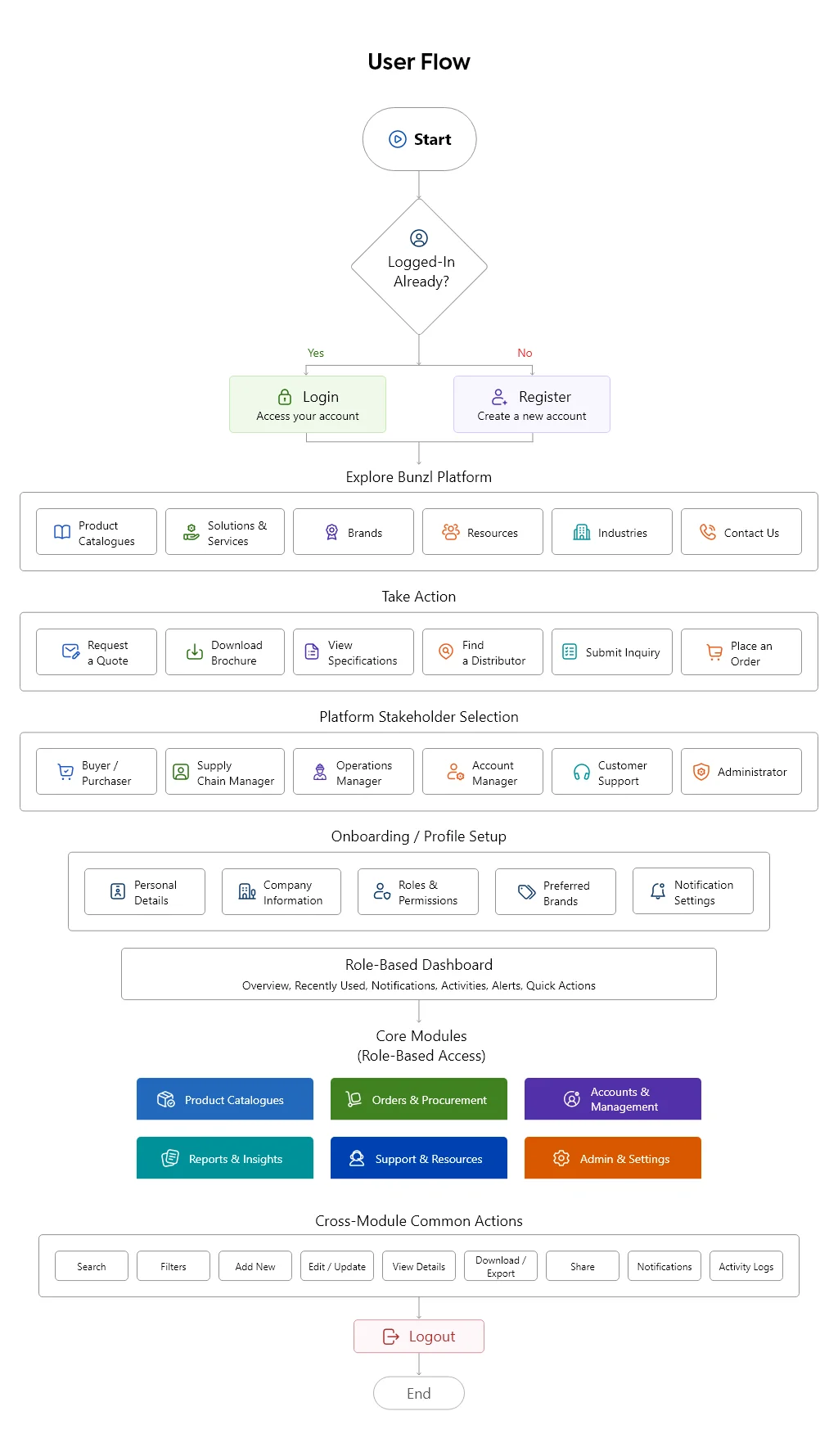
User flow
Feature concepts
1. Automated Product Import System
Develop a custom WordPress process that retrieves current product files, runs the required import operations, and updates online catalogue records without repetitive administrator involvement.
2. Microsoft Azure Storage Integration
Connect WordPress with the Azure Blob Storage environment where Bunzl maintains product-related source files for website synchronization.
3. Daily Scheduled Synchronization
Configure cron jobs to initiate the complete import process once per day and keep product websites regularly aligned with available source data.
4. Multi-File Import Processing
Download and process four separate import files in a structured sequence so that connected product information is updated correctly.
5. Own Brands Catalogue Import
Import the applicable Bunzl product dataset into the Own Brands website, including product details, specifications, and related information contained within the source files.
6. Chefs’ Seal Product Filtering
Apply custom logic during synchronization to identify and import only products associated with the Chefs’ Seal brand.
7. Custom WordPress Plugin Development
Create a dedicated plugin responsible for connecting to Azure, retrieving files, coordinating imports, and supporting website-specific processing rules.
8. WordPress Import Configuration
Use WP All Import or supported WordPress import functionality to map source-file information to the correct product fields and catalogue structures.
9. Product Data Synchronization
Update existing WordPress product records with information from the latest files while maintaining alignment between centralized data and website content.
10. Import Workflow Monitoring
Provide a defined technical process for reviewing synchronization behavior, identifying processing issues, and maintaining dependable catalogue updates.
11. Multi-Website WordPress Support
Support informational, product catalogue, and brand-specific websites through a dedicated team familiar with Bunzl’s WordPress environments.
12. Continuous Platform Maintenance
Resolve import issues, refine plugin functionality, adjust field mappings, and support evolving product or website requirements.
High fidelity designs
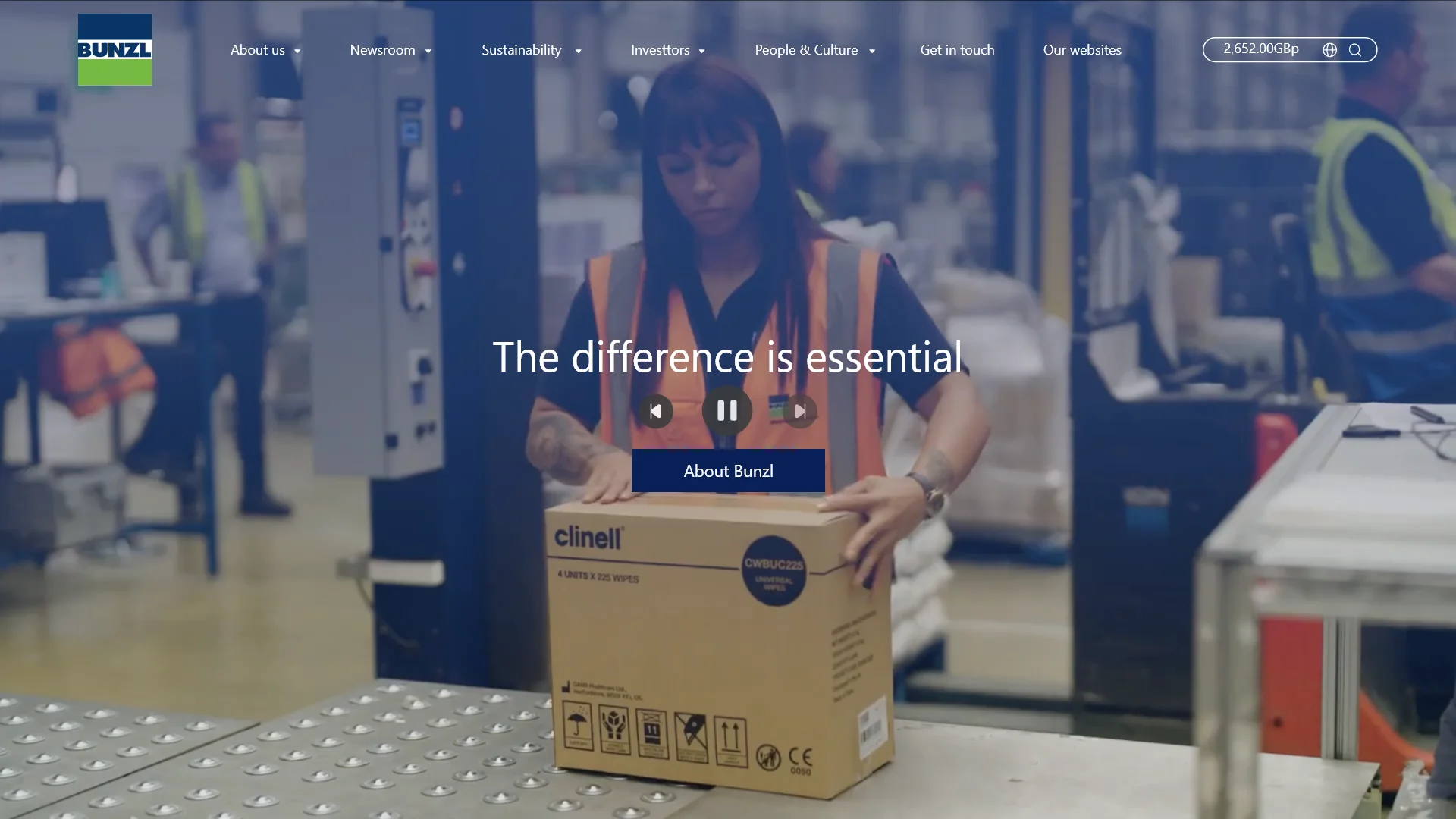
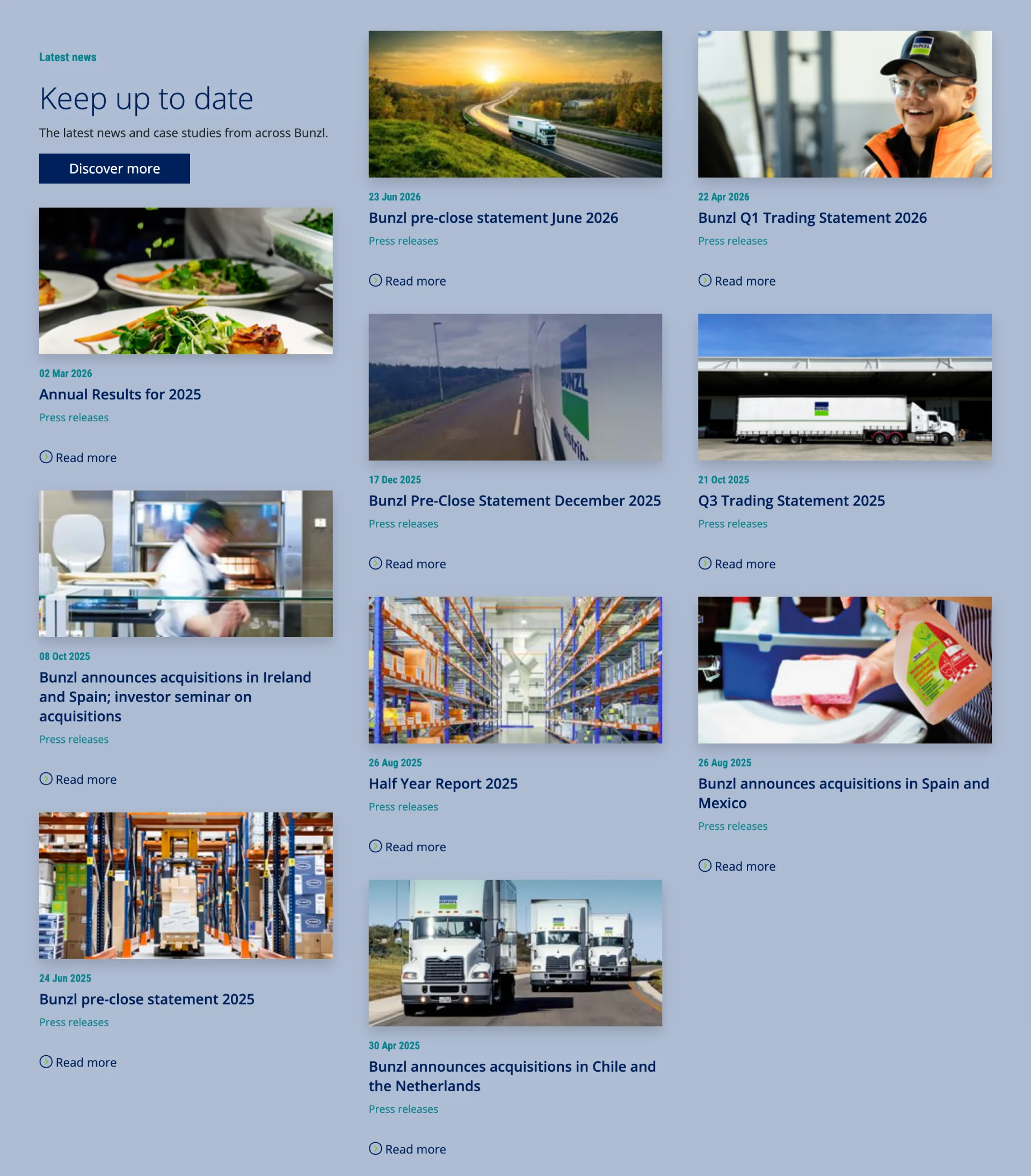
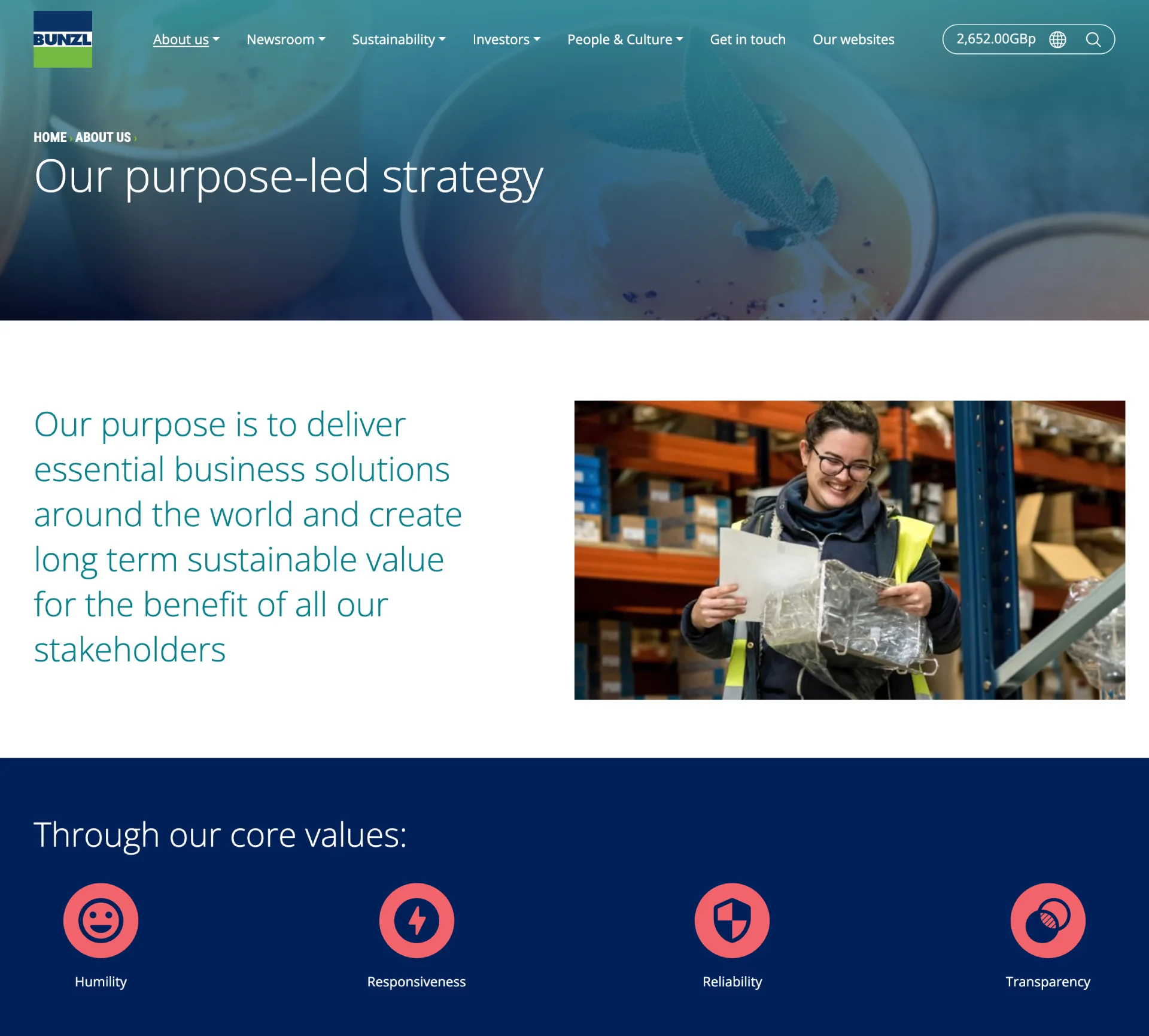
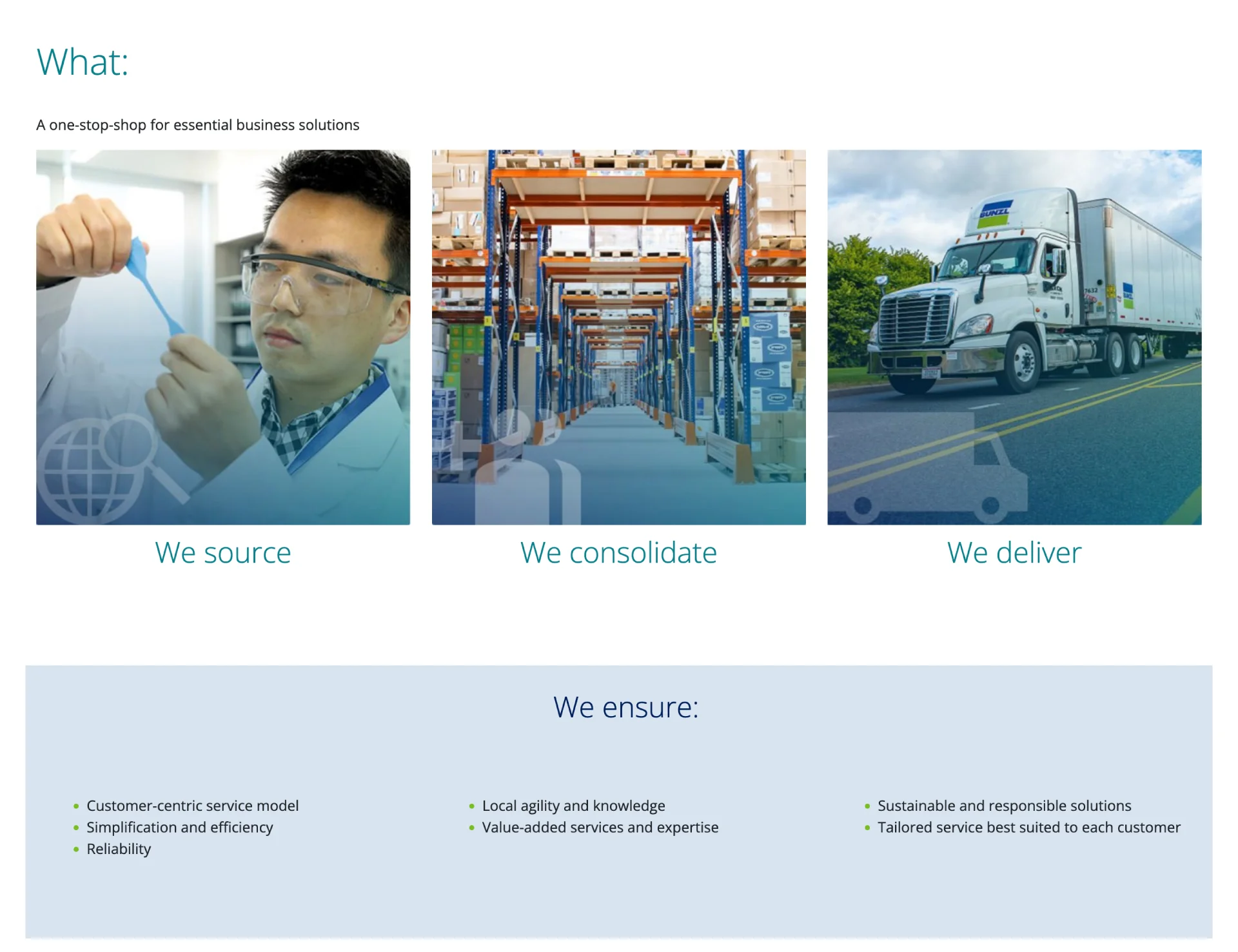
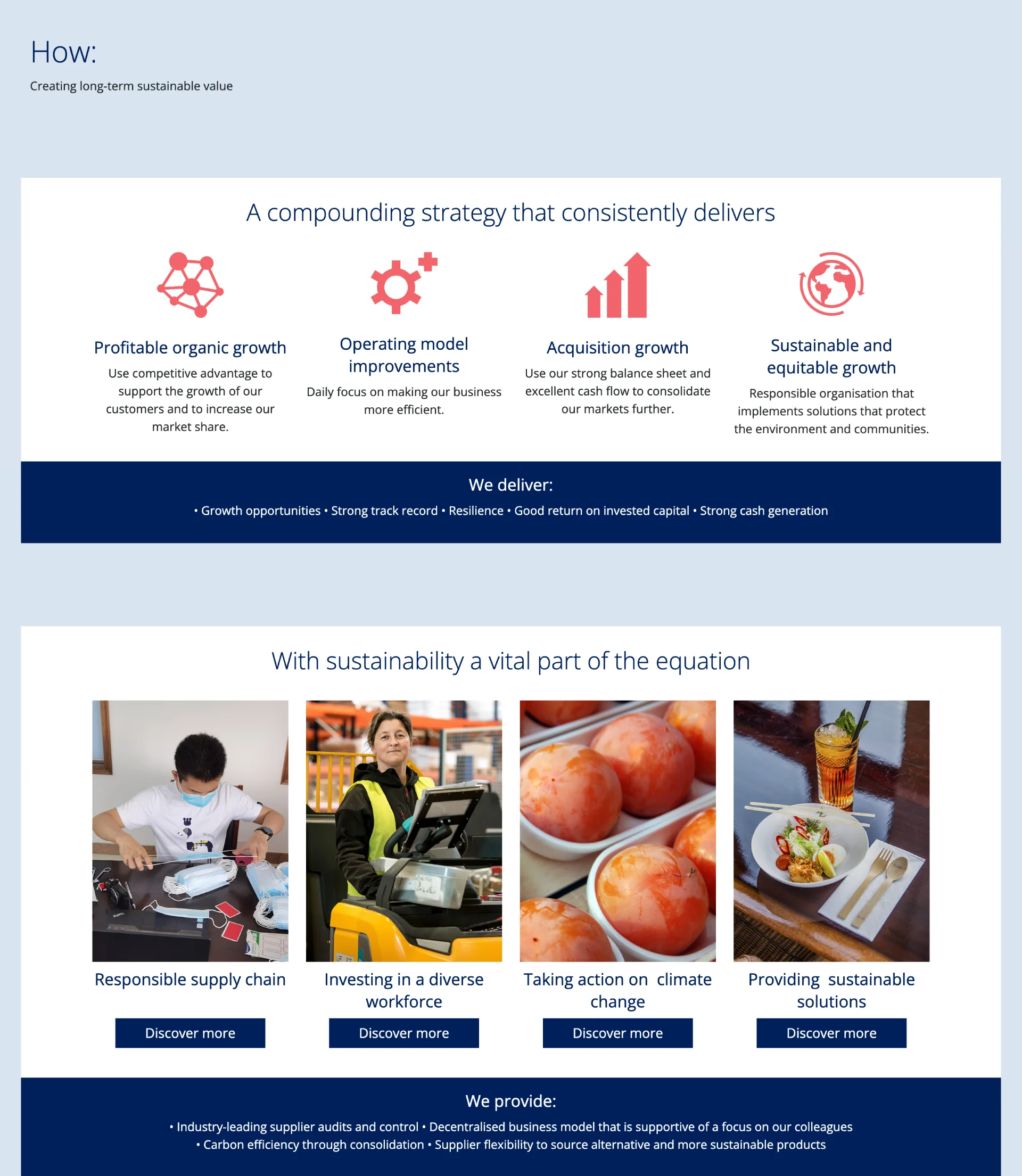
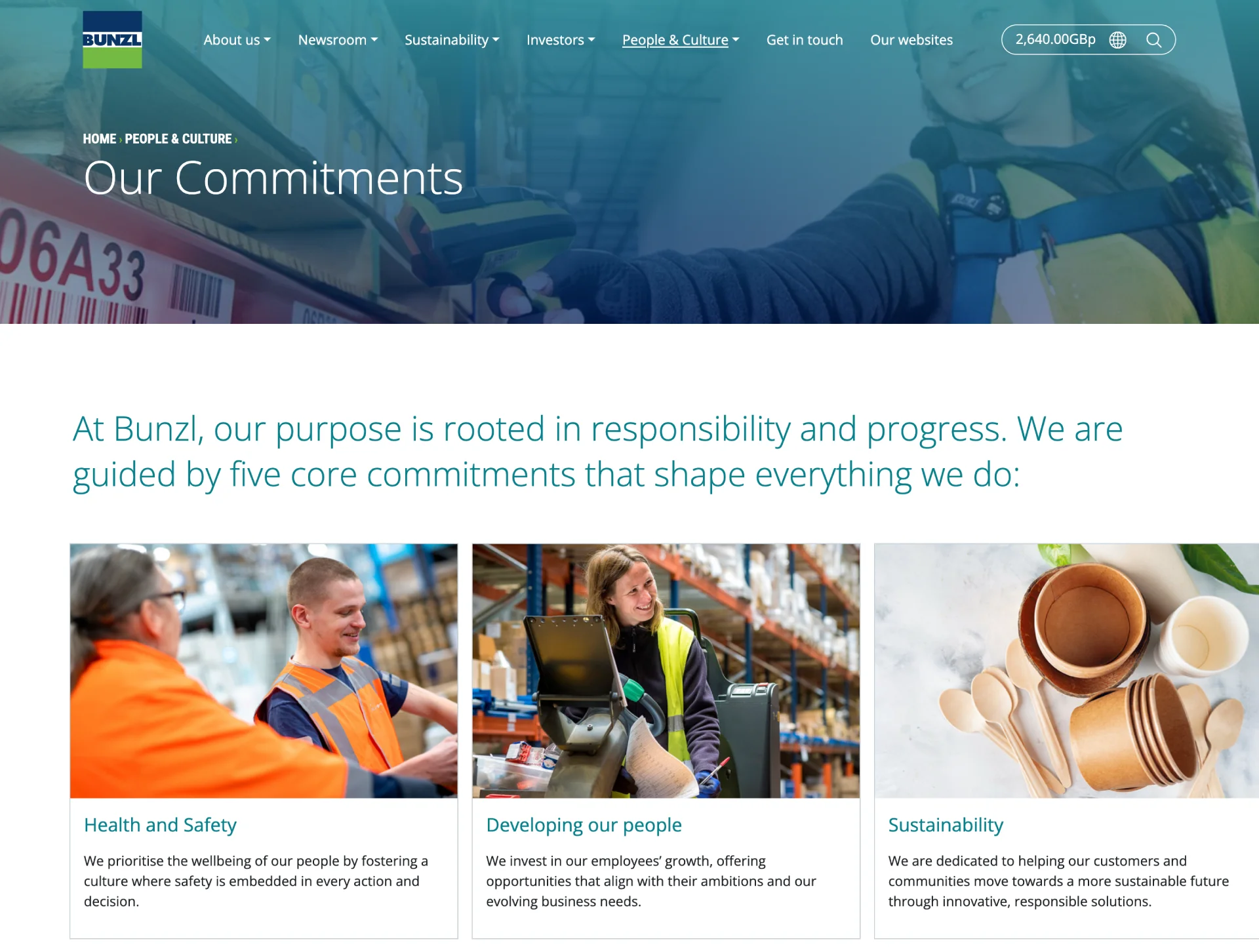
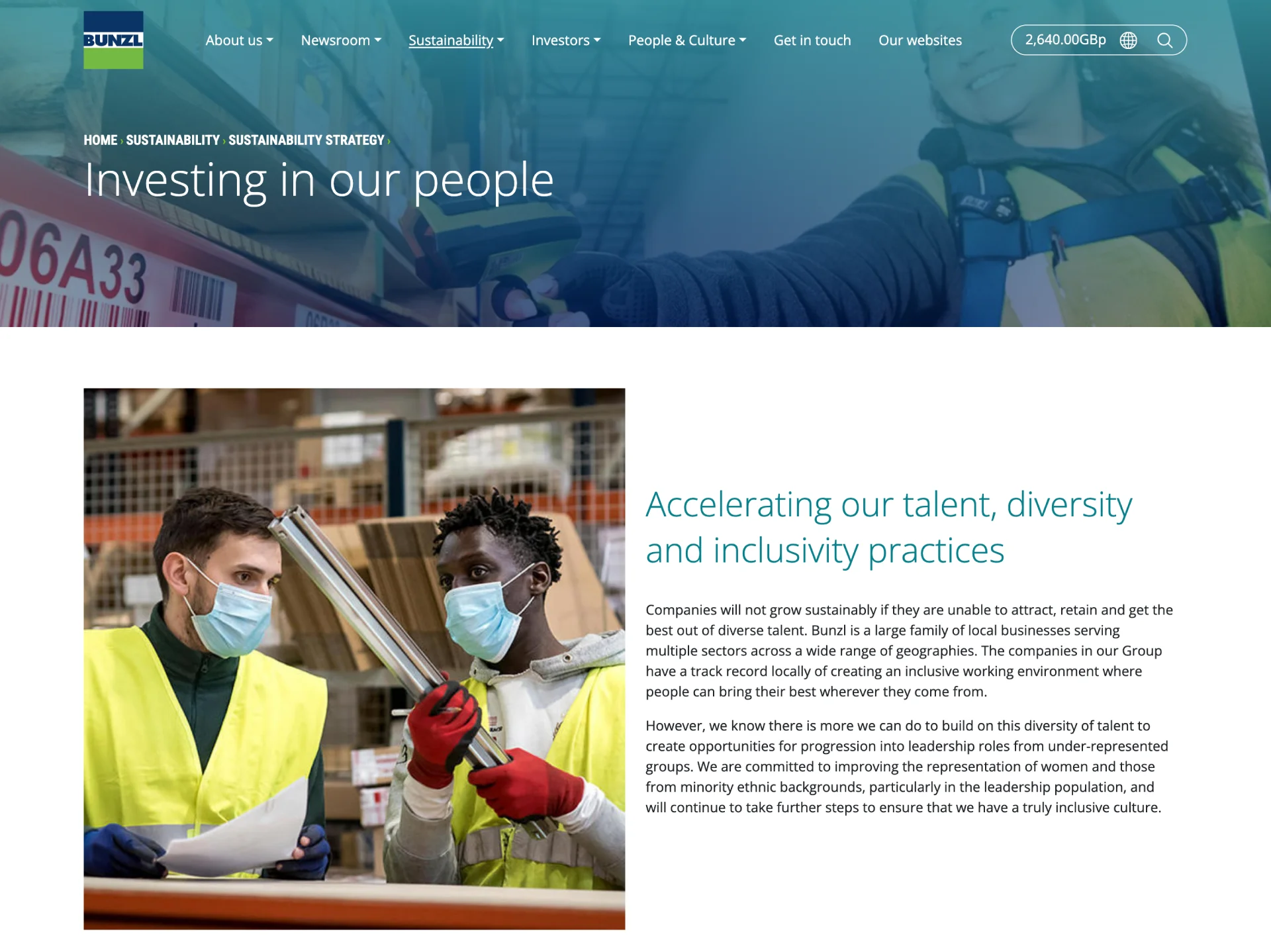
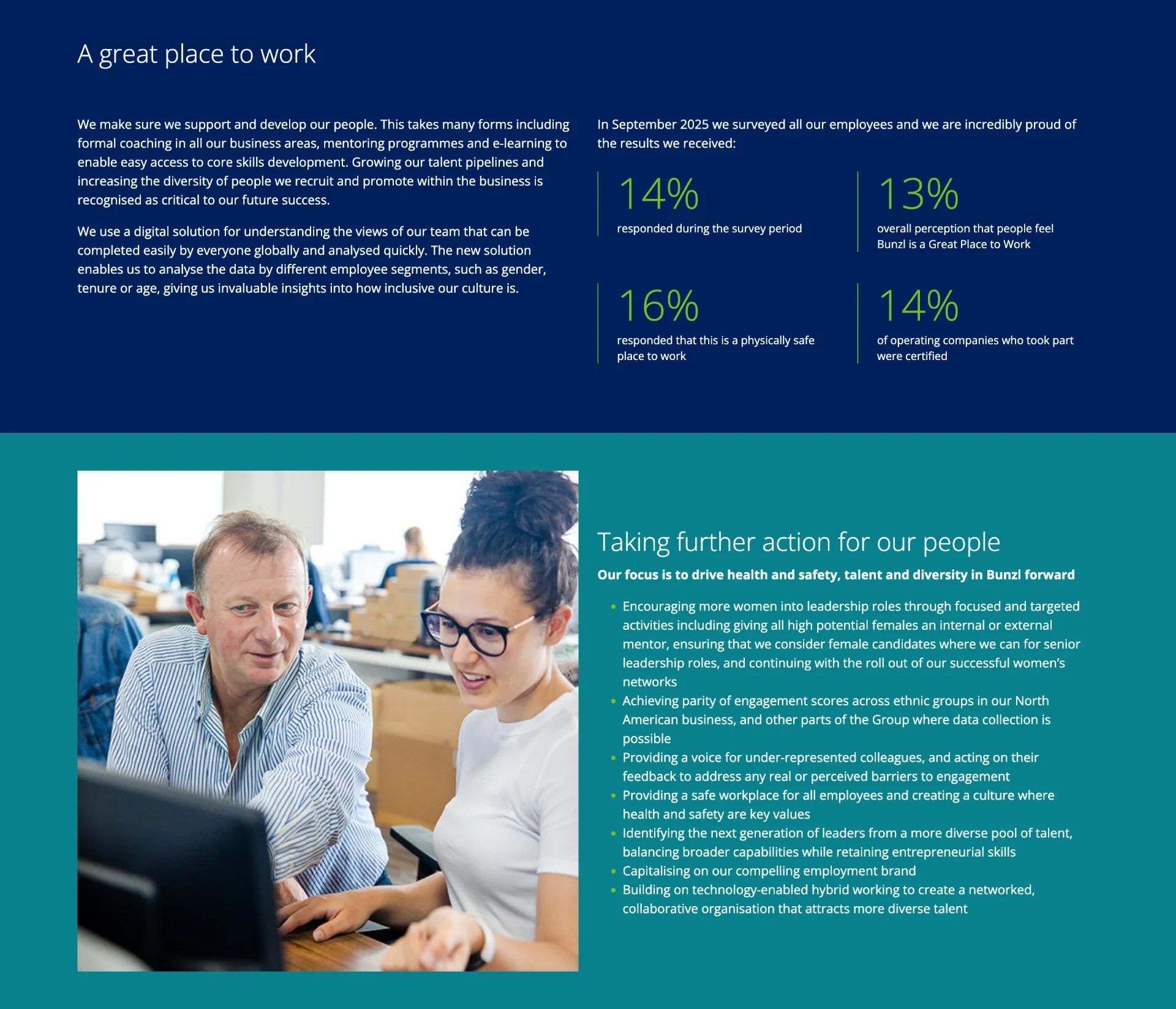
Codiant’s WordPress developers implemented the catalogue functionality within Bunzl’s approved website structures rather than redesigning the product experience around a generic import system.
Imported fields were connected to established WordPress templates so that product details, specifications, and related information appeared consistently after every synchronization.
The implementation maintained a clear separation between the presentation layer and source-data workflow, allowing the websites to preserve their brand-specific experiences while receiving structured product updates from Azure.

Prototyping
The developers tested the import workflow using representative Azure files before enabling the daily production schedule.
Validation covered file retrieval, processing order, field mapping, product creation and updates, brand identification, Chefs’ Seal filtering, and the resulting catalogue information displayed within WordPress.
The team also checked how the system handled repeated imports so that daily synchronization would update product records without creating unnecessary duplication.
This testing helped identify data-mapping and filtering issues before the automated process was applied to the active websites.
Development
To automate Bunzl’s multi-brand product ecosystem, Codiant’s dedicated WordPress developers built a custom plugin connecting Microsoft Azure Blob Storage with the company’s WordPress websites.
The augmented team also supported PHP development, MySQL handling, import troubleshooting, workflow maintenance, and continuous WordPress improvements.
 HTML5
HTML5
 CSS3
CSS3
 MySQL
MySQL
 Figma
Figma
 Illustrator
 Photoshop
 WordPress
 PHP
PHP
 Microsoft Azure
The result
Bunzl established an automated connection between centrally managed Azure product files and its WordPress catalogue websites.
Dedicated WordPress developers added specialized development capacity without requiring Bunzl to assemble a separate internal implementation team.
Daily cron jobs reduced dependency on administrators for recurring product-file downloads and imports.
A custom WordPress plugin coordinated file retrieval, processing, synchronization, and website-specific import behavior.
Four separate data files could be processed through a structured and repeatable update workflow.
Own Brands gained a catalogue experience supported by product details, specifications, and related information sourced from centralized files.
Chefs’ Seal received a focused product catalogue through custom brand-level filtering logic.
Shared Azure product data improved consistency while preserving distinct catalogue requirements across Bunzl websites.
The engagement created a maintainable WordPress foundation for future import adjustments, catalogue updates, and multi-brand website support.