MiTek – Scaling MiTek Websites with Dedicated WordPress Developers
MiTek hired dedicated WordPress developers from Codiant to build, enhance, and maintain a portfolio of regional and business-specific websites supporting its global construction technology, engineered products, software, and off-site manufacturing solutions.
Book a Demo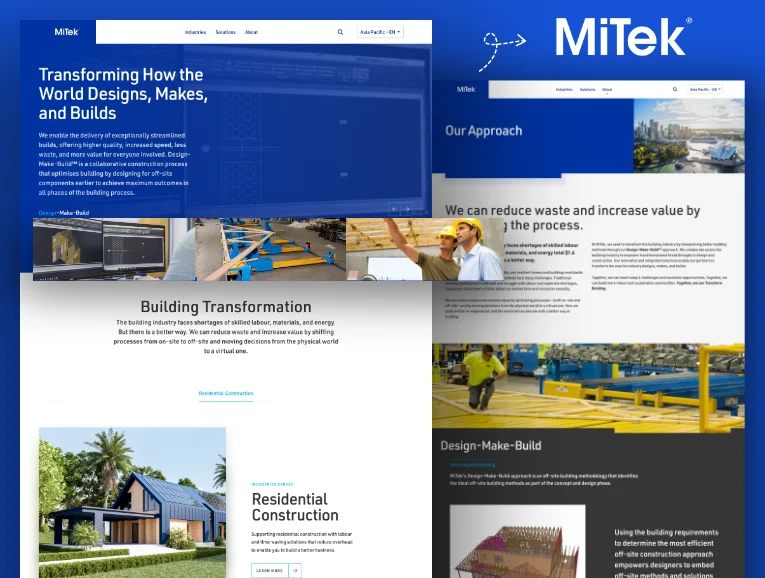
About the project
MiTek is a global construction technology company providing engineered products, software, automation, and building solutions for architects, engineers, builders, manufacturers, and construction stakeholders.
Managing its expanding digital ecosystem required specialized WordPress expertise across multiple regional and business websites, including MiTek Global, MiTek Australia, MiTek Japan, MiTek New Zealand, MiTek Vietnam, MiTek Modular, TrueNorth, Wrightsoft, and other associated platforms.
MiTek hired dedicated WordPress developers from Codiant to extend its technical capacity and support custom development, backend configuration, template engineering, plugin integration, security improvements, multilingual functionality, performance optimization, and continuous platform maintenance.
Challenge
MiTek’s digital presence extended beyond a single corporate website. Different regions, product divisions, software brands, and construction solutions required distinct websites while still following consistent technical, security, performance, and usability standards.
The ecosystem included varied content structures, navigation requirements, forms, multilingual experiences, product information, interactive maps, regional resources, and business-specific workflows. Supporting these requirements demanded experienced WordPress developers who could work across existing codebases without disrupting active websites or creating inconsistent implementation patterns.
Building a complete internal team for ongoing development, troubleshooting, security hardening, plugin management, and regional enhancements would have increased recruitment and operational overhead.
MiTek therefore required a flexible WordPress development team that could understand multiple platforms, respond to evolving requests, resolve technical issues, and continuously improve the wider website ecosystem.
Approach
Codiant formed a dedicated WordPress development team aligned with MiTek’s web architecture, regional website requirements, development workflows, and enterprise governance standards.
Rather than treating each website as an isolated assignment, the developers examined shared technical patterns across templates, navigation, content fields, plugins, forms, security controls, and deployment environments.
The team worked across custom WordPress development, PHP configuration, Advanced Custom Fields, frontend scripting, WooCommerce customization, multilingual integration, SMTP configuration, security headers, responsive improvements, and third-party services.
Development requests were organized according to platform impact, regional priority, technical dependencies, and release readiness. This allowed MiTek to increase delivery capacity while retaining control over website strategy, approvals, and business priorities.
Discovery phase
The dedicated developers began by reviewing MiTek’s portfolio of regional and business websites, existing WordPress environments, active plugins, page structures, templates, hosting configurations, and deployment practices.
Discovery focused on understanding how each website supported a different part of the organization. Some platforms presented construction technologies and engineered products, while others supported software resources, regional services, modular building solutions, or technical audiences.
The team also examined recurring requirements such as editable content sections, mega menus, multilingual pages, regional navigation, forms, maps, email delivery, security policies, and responsive behavior.
These findings helped establish development priorities, reusable implementation practices, technical risks, and website-specific dependencies.
Market Context
Global construction technology companies serve highly varied audiences across regions, disciplines, regulations, and stages of the building lifecycle.
Architects may look for design resources, engineers may need technical product information, builders may explore construction systems, and manufacturers may require software or automation support. Each audience expects accurate information, intuitive navigation, and reliable access across devices.
For MiTek, the website ecosystem needed to support this diversity without becoming difficult to manage. Regional teams required flexibility to publish localized content, while the wider organization needed dependable development standards, security controls, and platform stability.
This created a strong need for dedicated WordPress developers capable of balancing local website requirements with enterprise-level technical consistency.
The Gap
Standard WordPress themes and off-the-shelf configurations could not fully support MiTek’s combination of global content, regional websites, technical resources, dynamic navigation, localized experiences, and enterprise security expectations.
The challenge was not simply adding pages or installing plugins. MiTek needed developers who could customize existing environments, create editable components, manage integrations, improve performance, and solve issues across multiple active websites.
The company also needed development continuity. A fragmented vendor model could result in inconsistent code, repeated onboarding, slower issue resolution, and limited understanding of the broader ecosystem.
Codiant’s dedicated WordPress developers addressed this capability gap by becoming an extended technical team for ongoing platform development and support.
Audience Struggles
Complex Information Discovery: Visitors may need to navigate several product categories, software solutions, resources, and regional offerings before reaching relevant information.
Regional Content Differences: Users in different countries require localized websites, languages, product details, and market-specific navigation.
Inconsistent Website Journeys: Separate business websites can create varied experiences when navigation, templates, and responsive behavior are not continuously maintained.
Development Requirements
Advanced WordPress Expertise: The ecosystem required developers experienced in custom themes, PHP, ACF, plugins, templates, and backend customization.
Multi-Website Support: Developers needed to work across several regional and business-specific WordPress environments.
Enterprise Security Controls: Website updates had to account for security headers, cookie protection, secure communication, and platform governance.
Continuous Technical Capacity: MiTek required an extended team able to support new features, maintenance requests, fixes, and performance improvements.
User Insights
| Tasks | Emotions | Challenges | Opportunities |
|---|---|---|---|
| Explore Construction Solutions | Focused | Users may need to review several product categories and technical solutions before finding the right information. | Structured navigation and customized page templates help visitors move directly to relevant solutions. |
| Access Regional Information | Disoriented | Global visitors can encounter content that does not match their country, language, or local product availability. | Region navigation and localized websites provide more relevant content journeys. |
| Find Technical Resources | Intentional | Engineers, builders, and designers may need specific documentation, tools, or design resources quickly. | Clearly organized resource pages and dynamic menus reduce unnecessary searching. |
| Submit Business Enquiries | Expectant | Form failures or unreliable email delivery can prevent important enquiries from reaching the correct team. | Gravity Forms and authenticated SMTP improve form flexibility and email reliability. |
| Navigate Large Content Structures | Overwhelmed | Extensive product and solution categories can make conventional menus difficult to use. | Dynamic mega menus present grouped links, visuals, and categories in a more usable format. |
| View Localized Content | Reassured | International audiences may struggle when websites are available in only one language. | Multilingual functionality makes regional information more accessible. |
| Use Websites Across Devices | Impatient | Complex menus, forms, maps, and content layouts may not behave consistently on smaller screens. | Responsive development improves access across desktop, tablet, and mobile devices. |
| Interact with Secure Platforms | Cautious | Visitors expect enterprise websites to protect sessions, cookies, forms, and browser communications. | Security headers and protected cookie configurations strengthen platform trust. |
Opportunity
By augmenting its digital team with dedicated WordPress developers, MiTek could increase development capacity without assembling separate technical teams for every regional or business website.
The engagement provided ongoing access to developers familiar with MiTek’s platforms, implementation standards, plugins, integrations, and operational dependencies.
This created an opportunity to improve the complete website ecosystem through continuous development rather than disconnected project-based updates.
MiTek retained ownership of business priorities and content direction, while Codiant’s developers provided the technical depth required to build new components, enhance existing websites, and resolve platform issues as needs evolved.
Execution Timeline
1. Portfolio Review & Alignment
2. Architecture & Plugin Audit
Phase 23. Custom WordPress Development
Phase 34. Integrations, Security & Localization
Phase 45. Testing, Launch & Maintenance
Phase 5Research Phase
The development team reviewed how different MiTek audiences interacted with the websites and what technical capabilities were required to support those journeys.
Regional visitors required localized navigation and multilingual content. Technical professionals needed structured access to products, tools, and design resources. Marketing teams required editable page components, while administrators needed dependable form, plugin, security, and content-management workflows.
The developers translated these needs into custom templates, ACF configurations, navigation components, form structures, integration tasks, responsive requirements, and security improvements.
This technical research helped ensure that each enhancement addressed both user-facing needs and backend content-management requirements.
Visual Research
MiTek’s websites contained substantial amounts of construction, product, software, regional, and technical information. The interface therefore needed to remain structured and navigable even as content volumes increased.
Codiant’s WordPress developers worked with approved designs and existing visual systems to create responsive templates, reusable content sections, dynamic menus, and editable layouts.
Particular attention was given to how complex elements such as mega menus, forms, maps, regional selectors, and technical content behaved across screen sizes.
The implementation approach preserved visual consistency while allowing each website to communicate its own regional or business identity.
User Persona Development
The dedicated development team considered the needs of technical visitors and regional content administrators while planning navigation, templates, resources, and backend workflows.

David Miller
42
Structural Engineer
Missouri, USA
Persona Snapshot:
A construction professional who visits MiTek websites to explore structural solutions, software resources, technical information, and region-specific services required for active building projects.
Goals:
Find the correct product or technical solution quickly.
Access relevant resources without navigating unrelated content.
Review information smoothly across office and on-site devices.
Challenges:
Large product and resource structures can be difficult to navigate.
Information may be distributed across multiple MiTek websites.
Technical pages and navigation must remain usable on mobile devices.
How MiTek Helps:
- Dynamic mega menus organize products, tools, and resources clearly.
- Regional websites connect users with market-relevant information.
- Responsive templates improve access across desktop and mobile screens.
Sophia Turner
36
Regional Content Administrator
Melbourne, Australia
Persona Snapshot:
A regional team member responsible for keeping website pages, resources, forms, and local business information accurate without depending on developers for every content update.
Goals:
Update regional website content through manageable backend fields.
Publish pages that remain consistent with the wider digital system.
Maintain reliable forms, navigation, and multilingual content.
Challenges:
Hard-coded layouts make routine content changes difficult.
Plugin or template updates can affect active website functionality.
Regional requirements may differ from global website structures.
How MiTek Helps:
- ACF-powered fields simplify structured content management.
- Custom templates maintain layout consistency across new pages.
- Dedicated WordPress support helps resolve technical and plugin issues.
Ideation
The development strategy treated MiTek’s web presence as a connected ecosystem rather than a collection of unrelated WordPress installations.
Ideas were evaluated according to whether they improved content administration, visitor navigation, regional relevance, technical stability, or long-term maintainability.
Reusable template patterns were considered where common requirements existed, while website-specific customization was retained for regional products, business divisions, and audience needs.
This approach allowed the developers to introduce consistency without forcing every MiTek website into an identical structure.
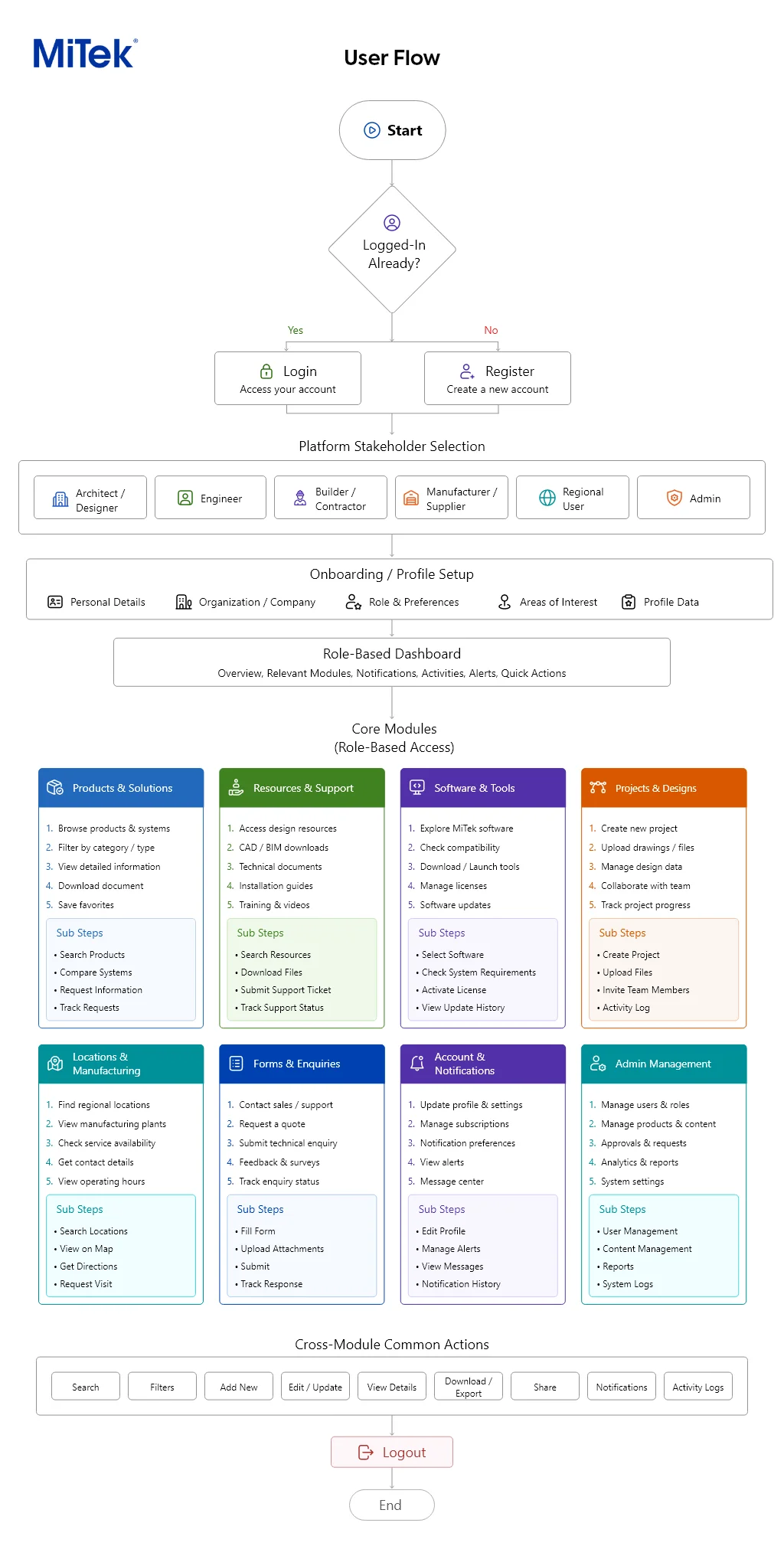
User flow
Feature Concepts
1. Custom WordPress Template Development
Create tailored page templates and theme structures that support MiTek’s product, software, technical resource, and regional content requirements beyond standard WordPress layouts.
2. Dynamic Mega Menu Development
Build configurable navigation systems capable of presenting categories, links, images, and grouped resources within structured dropdown experiences managed through WordPress.
3. Advanced Custom Fields Integration
Configure editable content fields that allow administrators to manage structured page information without changing source code or disrupting established layouts.
4. Enterprise Website Security Improvements
Implement HSTS, Content Security Policy controls, secure cookie flags, and related protections to reduce browser-based risks and strengthen website security.
5. Advanced Form Management
Use Gravity Forms to support contact enquiries, registration processes, surveys, feedback collection, and other configurable website interactions.
6. SMTP Email Configuration
Route website messages through authenticated email servers to improve delivery reliability for enquiries, notifications, submissions, and transactional communication.
7. Regional Navigation
Provide direct access to country-specific websites, business information, services, and resources according to the visitor’s selected region.
8. Multilingual Website Support
Integrate Weglot to enable translated website experiences, simplify language management, and improve content access for international audiences.
9. Interactive Location Mapping
Use Google Maps functionality to present regional locations, manufacturing information, business coverage, and other geographically relevant content.
10. WooCommerce Customization
Extend applicable WordPress commerce functionality to support business-specific product, resource, or transaction requirements within selected websites.
11. Responsive UI Improvements
Refine templates, menus, forms, maps, and content modules so that website functionality remains accessible across desktops, tablets, and mobile devices.
12. Continuous Website Maintenance
Resolve bugs, update components, monitor integrations, improve performance, and support evolving technical requirements across MiTek’s website portfolio.
High fidelity designs
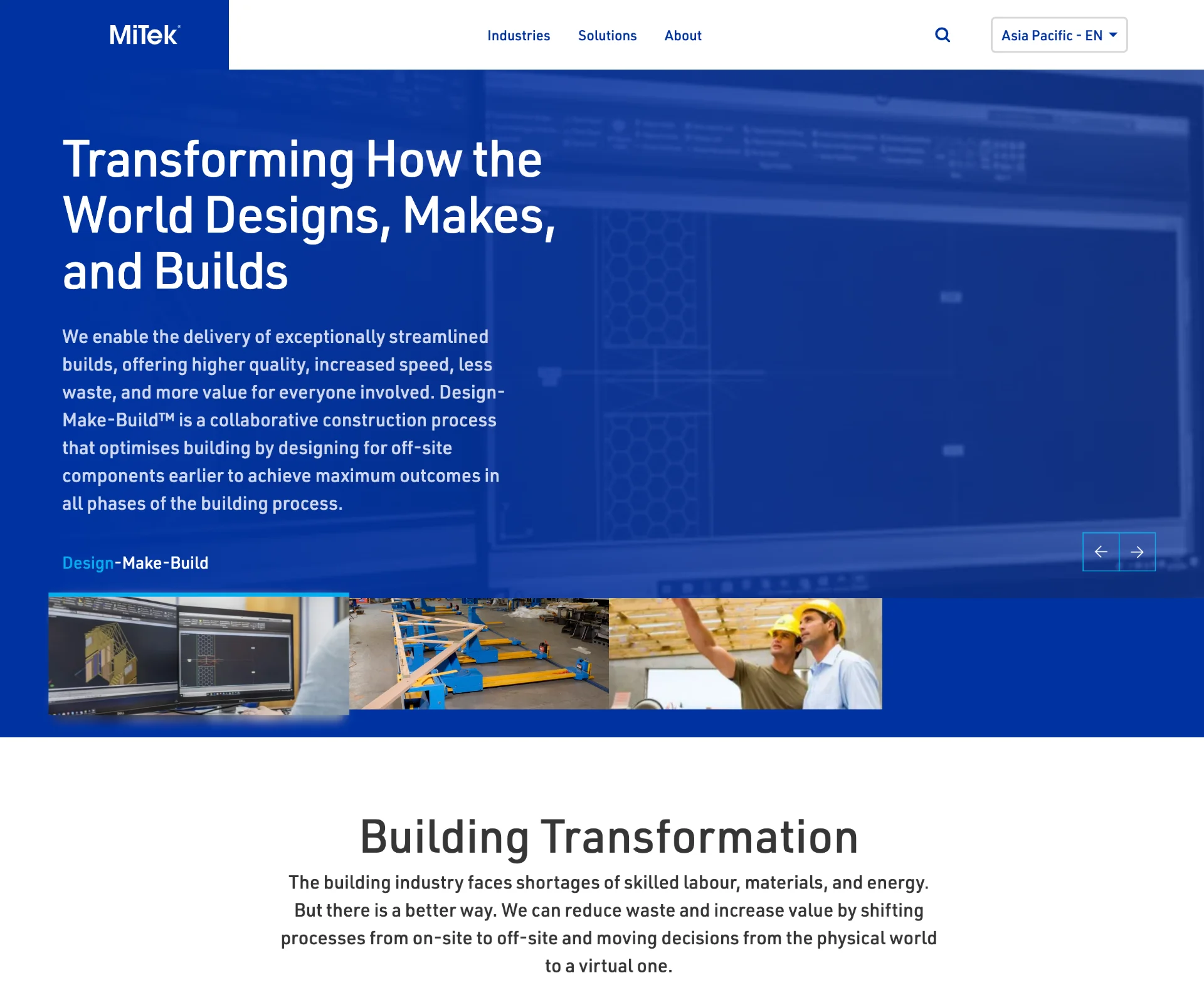
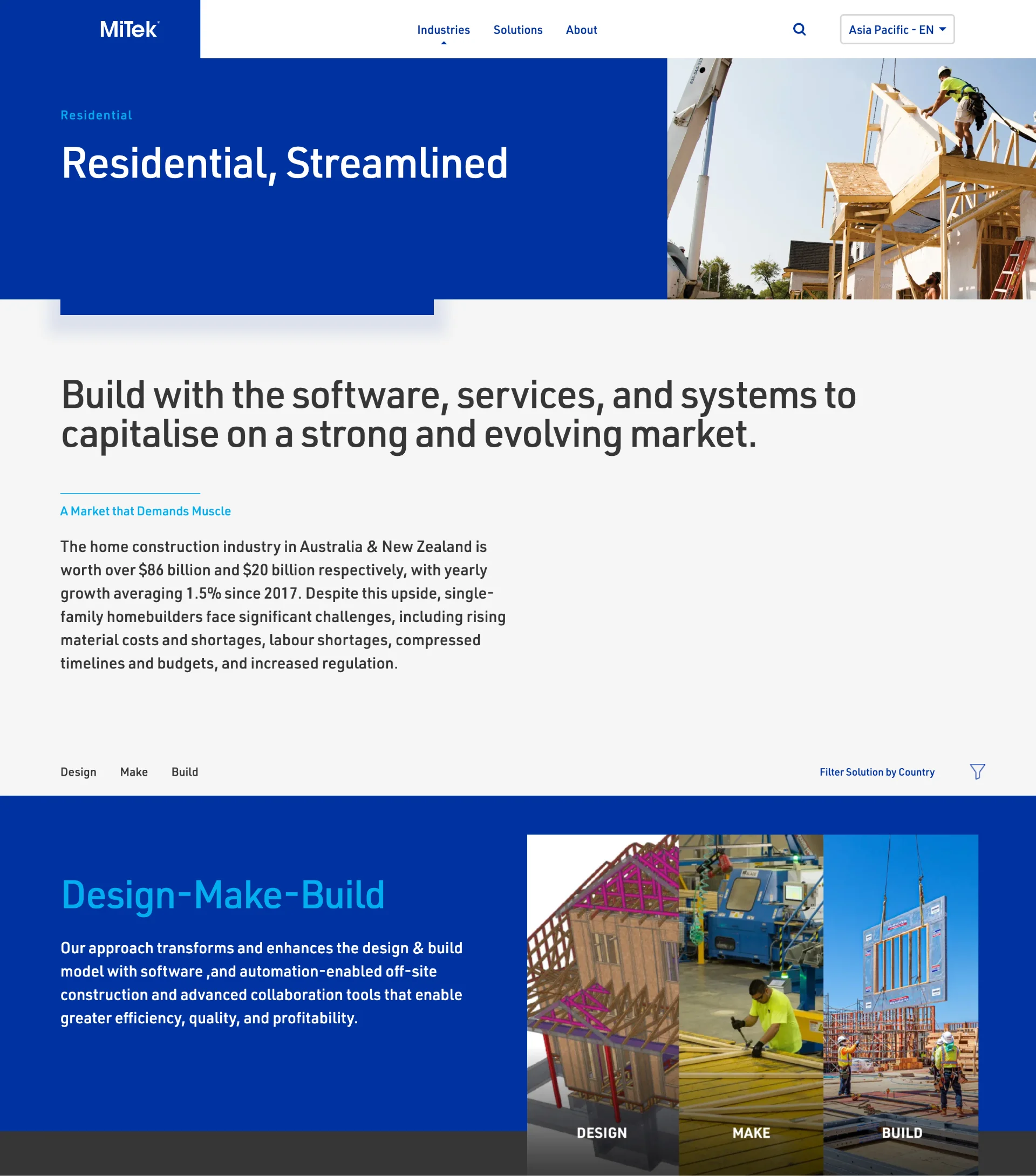
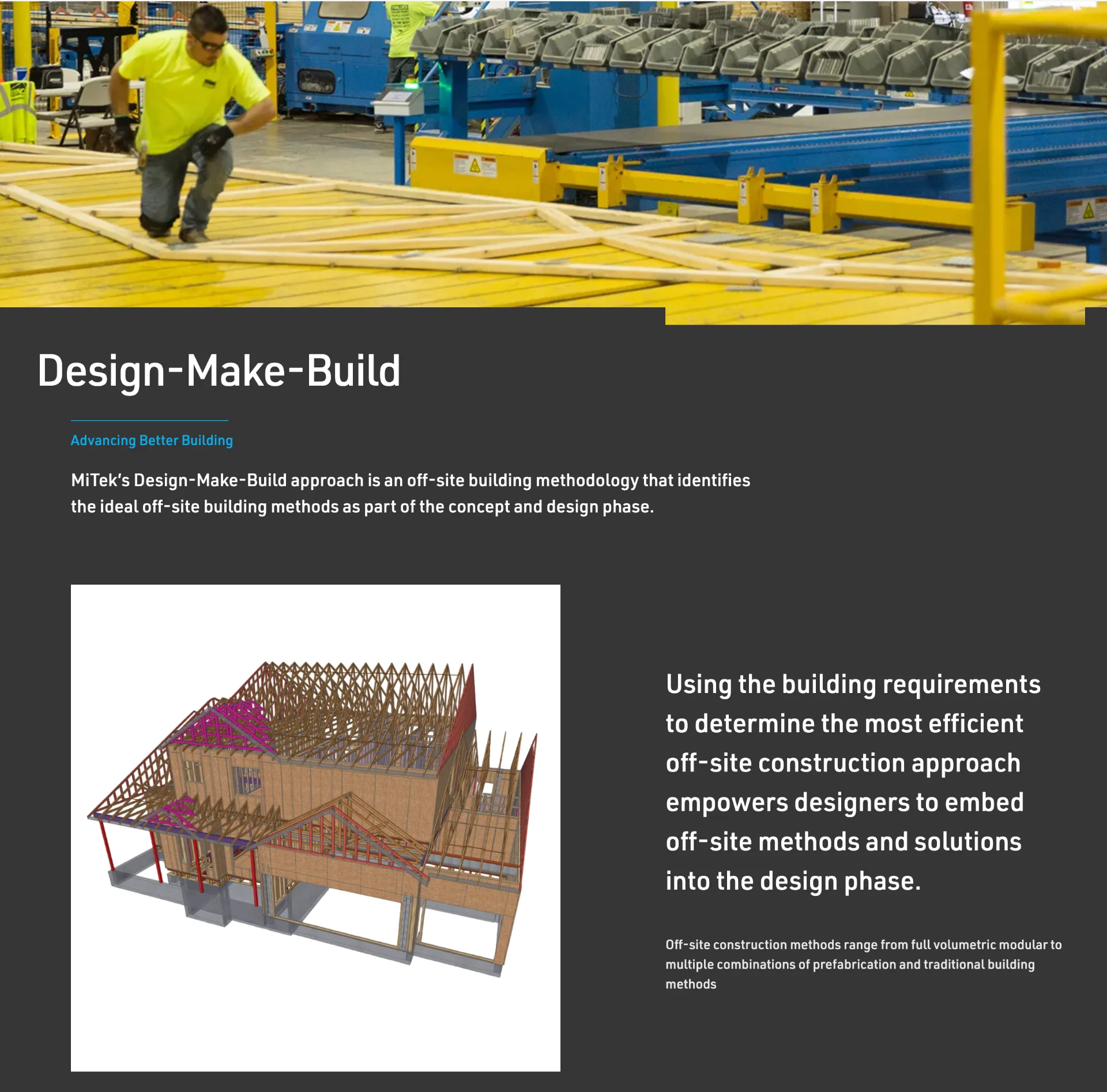
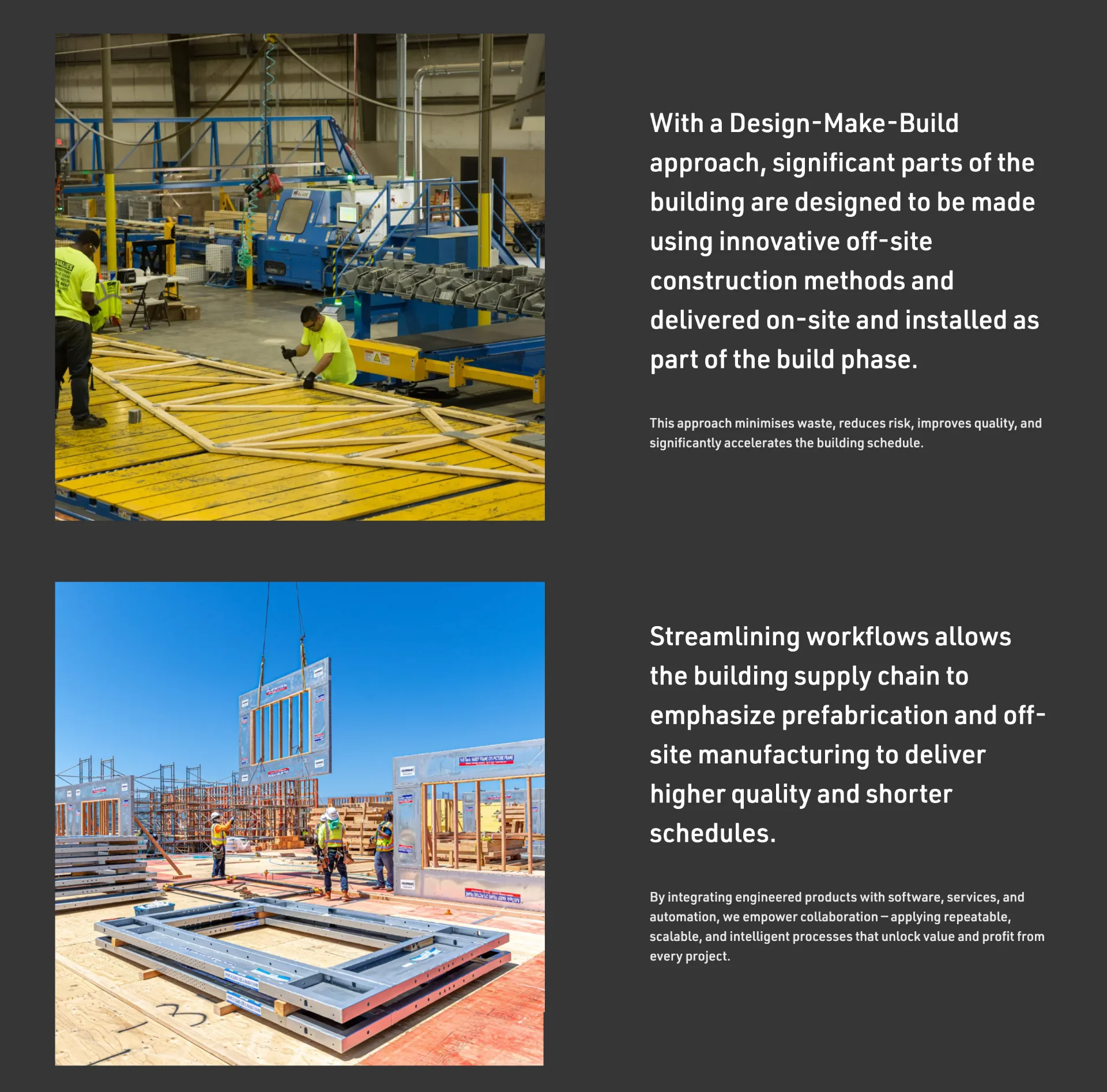
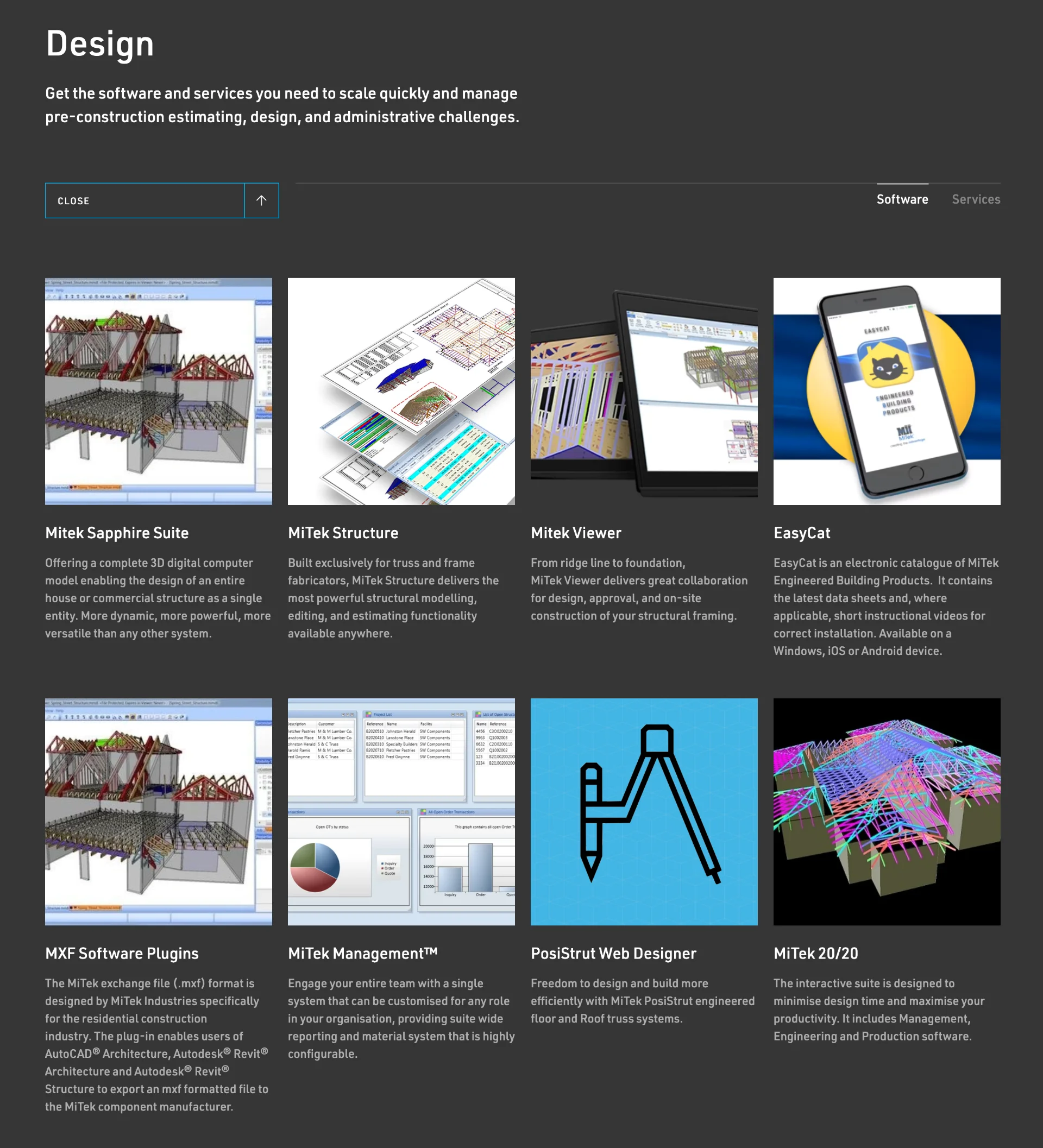
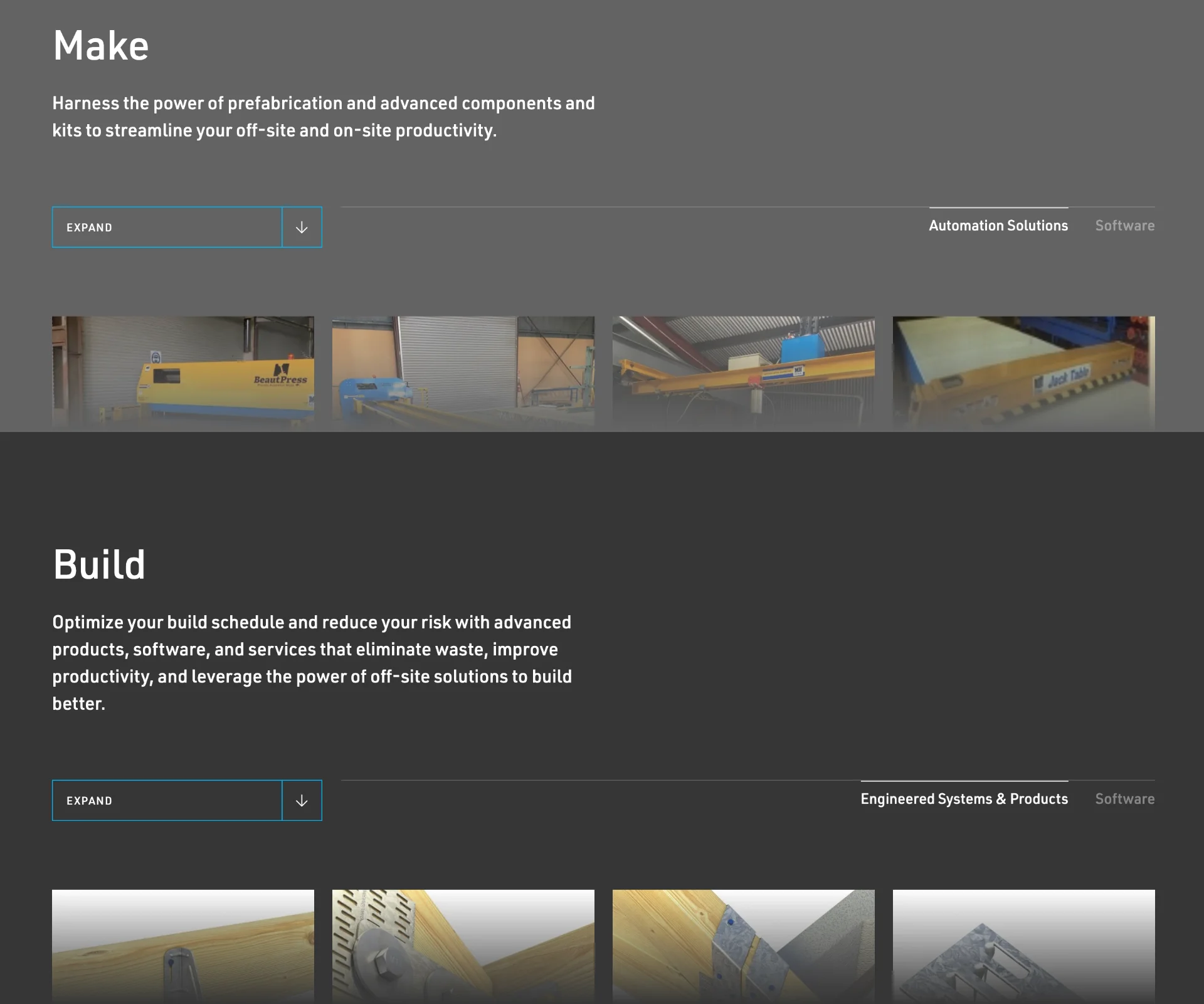
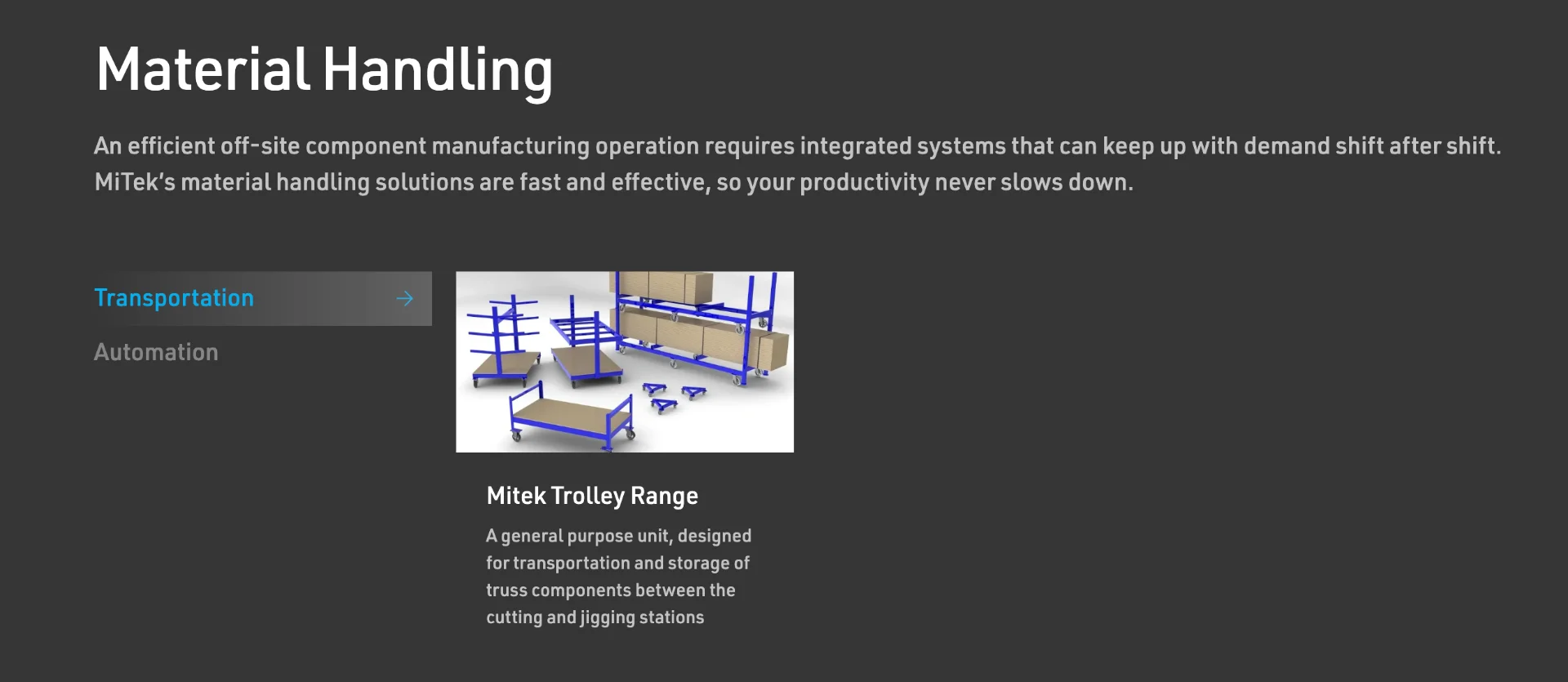
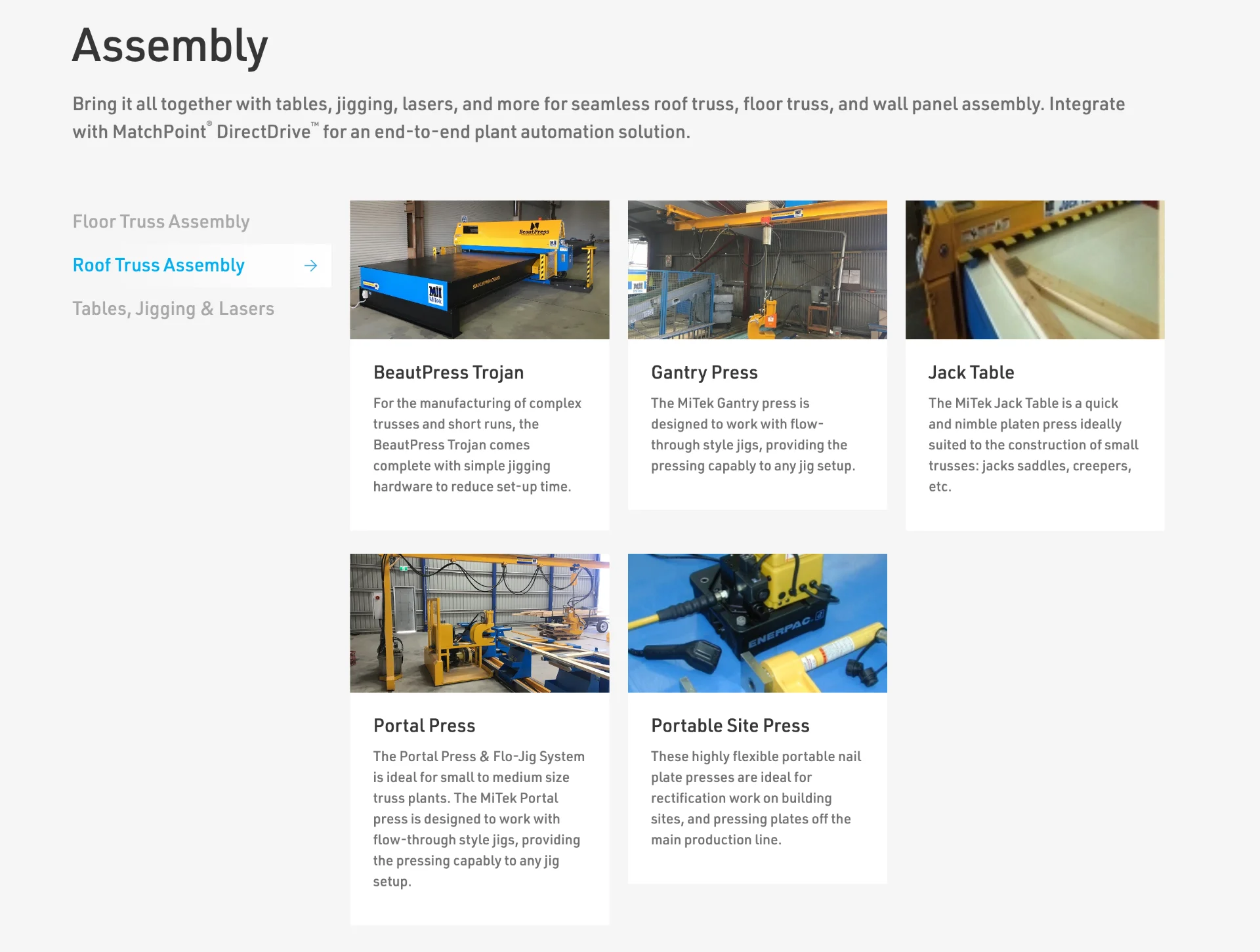
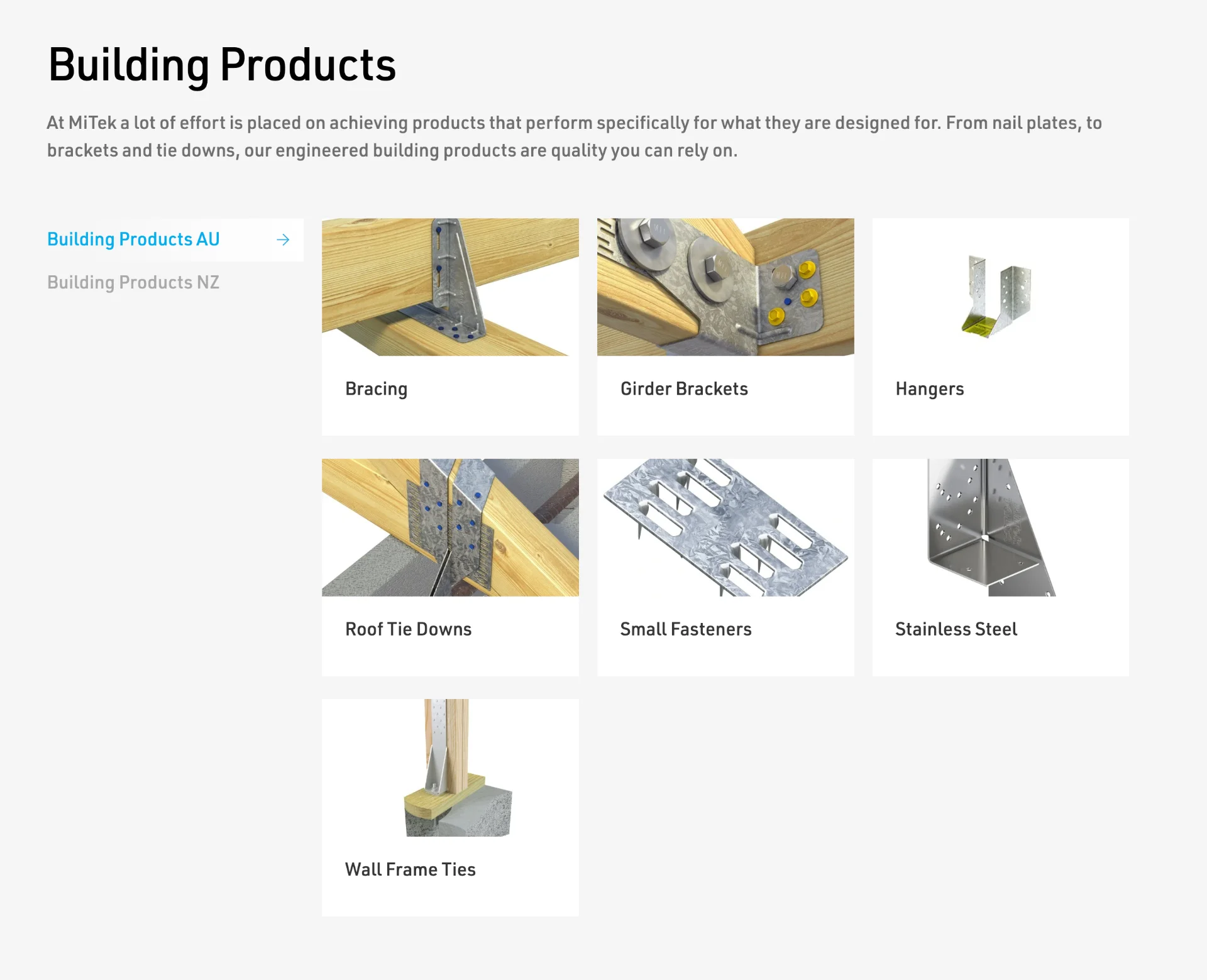
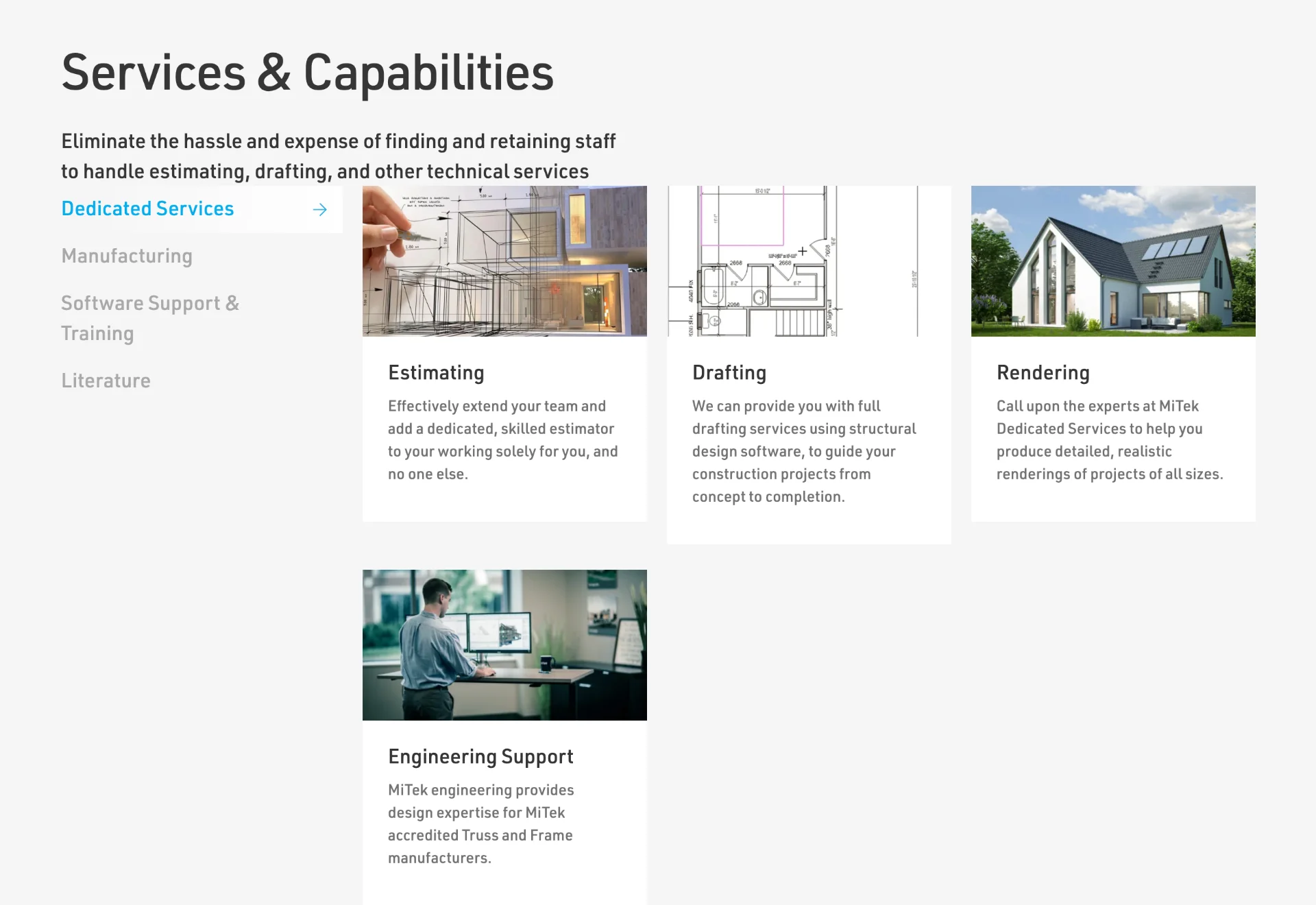
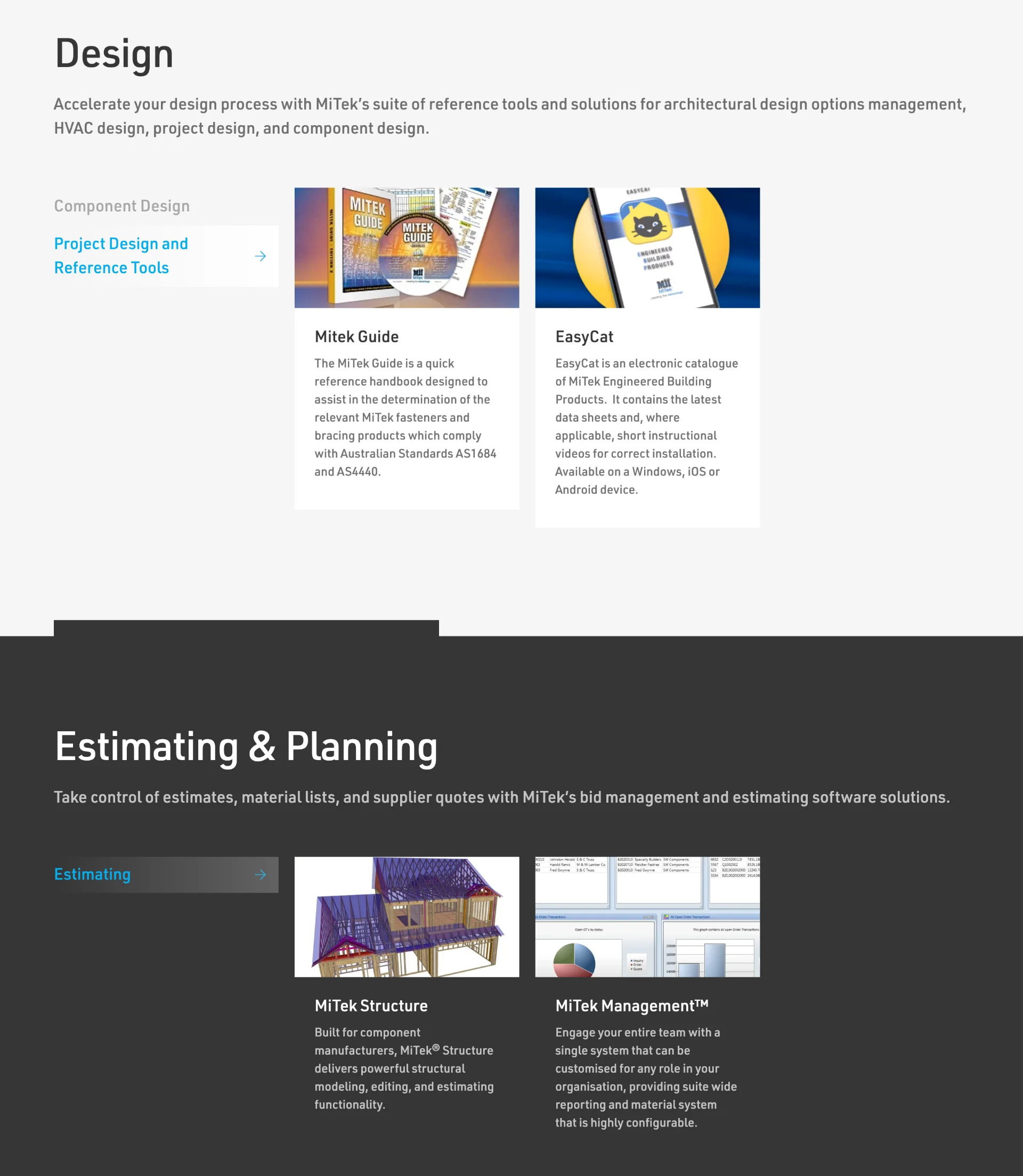
Codiant’s WordPress developers converted approved page designs and interface requirements into responsive templates for MiTek’s regional and business websites.
Custom frontend development was used to support content-heavy pages, mega menus, forms, maps, regional navigation, and reusable content modules.
The developers also connected visual components with editable WordPress fields, allowing administrators to update content while preserving layout consistency and responsive behavior.
Prototyping
New templates, navigation elements, forms, and page components were reviewed before wider implementation across active websites.
The dedicated team validated how components behaved with real content, different screen sizes, multilingual text, plugin dependencies, and existing WordPress configurations.
Technical checks were conducted alongside interface reviews to identify compatibility, usability, security, and performance concerns early.
This helped reduce the risk of introducing changes that could affect other pages, integrations, or regional website experiences.
Development
To support MiTek’s expanding global web ecosystem, Codiant’s dedicated WordPress developers delivered custom templates, dynamic navigation, ACF-powered content structures, multilingual capabilities, secure forms, SMTP configuration, and regional website functionality.
Development also covered PHP customization, WooCommerce enhancements, responsive UI improvements, security hardening, performance optimization, plugin integration, bug resolution, and continuous maintenance across multiple MiTek websites.
The augmented team provided MiTek with consistent WordPress engineering capacity while adapting to changing regional, technical, and business requirements.
 HTML5
HTML5
 CSS3
CSS3
 MySQL
MySQL
 Figma
Figma
 Illustrator
 Photoshop
 WordPress
 Php
Php
 Azure DevOps
The result
MiTek strengthened its global digital presence through a scalable portfolio of regional and business-specific WordPress websites.
Dedicated developers provided continuous technical capacity for new features, backend customization, maintenance, and issue resolution.
Custom templates and ACF configurations gave content administrators greater control over structured website updates.
Dynamic mega menus and regional navigation made extensive product, software, and resource information easier to explore.
Multilingual functionality improved access to localized content across international MiTek audiences.
Gravity Forms and SMTP integration supported more dependable enquiries, registrations, surveys, and website communication.
Security headers and protected cookie configurations strengthened safeguards across supported WordPress environments.
Responsive improvements created more consistent website experiences across desktop, tablet, and mobile devices.
The engagement established a flexible development foundation for ongoing website enhancements, integrations, performance improvements, and regional expansion.