
Wrightsoft – Dedicated WordPress Developers for Enterprise HVAC Website
Wrightsoft hired dedicated WordPress developers from Codiant to develop, enhance, secure, and maintain its enterprise website while improving content management, eCommerce workflows, form handling, email delivery, and overall website performance.
Book a Demo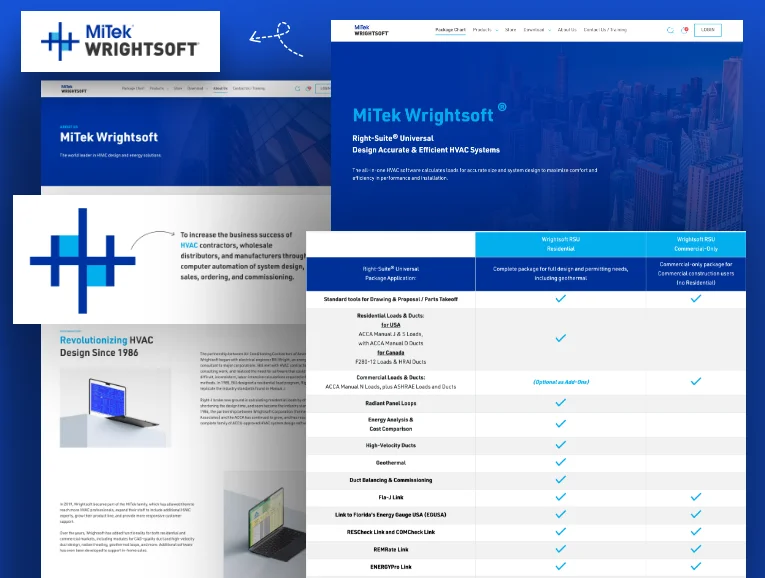
About the project
Wrightsoft provides HVAC software solutions for residential and commercial load calculations, energy analysis, equipment selection, and system design. Its website serves as an important digital channel for presenting software products, supporting customer enquiries, managing registrations, and enabling online transactions.
To expand and maintain the platform, Wrightsoft required experienced WordPress developers who could work across custom templates, backend configurations, WooCommerce, security, forms, APIs, and enterprise hosting requirements.
Wrightsoft hired dedicated WordPress developers from Codiant to extend its technical capacity and support continuous website development, optimization, maintenance, and platform enhancements.
Challenge
Wrightsoft’s website needed to support a growing collection of HVAC software products, technical resources, customer forms, eCommerce functions, and administrative content without becoming difficult to manage or maintain.
The existing development requirements extended beyond routine WordPress updates. The platform required custom page templates, dynamic navigation, editable content structures, reliable email delivery, WooCommerce enhancements, secure payment processing, tax automation, REST API authentication, and enterprise-grade security controls.
Recruiting and onboarding separate specialists for each requirement would have increased delivery time and internal coordination. Wrightsoft needed experienced WordPress developers who could understand the existing platform, work within its established technology environment, and handle ongoing development without disrupting live website operations.
The central challenge was therefore to add dependable WordPress engineering capacity while maintaining website stability, security, performance, and administrative flexibility.
Approach
Codiant provided dedicated WordPress developers aligned with Wrightsoft’s existing website architecture, development priorities, and maintenance requirements. The developers worked as an extension of the Wrightsoft team, supporting new development alongside continuous platform improvement.
The engagement began with an assessment of the website structure, WordPress configuration, plugins, templates, forms, eCommerce workflows, hosting environment, and active technical issues.
Development was then organized into focused workstreams covering custom template development, mega-menu configuration, Advanced Custom Fields integration, WooCommerce functionality, SMTP setup, form management, security hardening, API authentication, responsive improvements, and defect resolution.
Regular coordination allowed the team to address immediate website needs while preserving sufficient flexibility for new business, content, and technical requirements.
Discovery phase
The dedicated developers reviewed how Wrightsoft used its website to present HVAC solutions, organize product information, collect enquiries, register users, conduct surveys, and support online purchases.
Discovery focused on identifying reusable page structures, content-management requirements, navigation dependencies, form behaviour, email-delivery issues, eCommerce processes, and security risks.
The team also assessed the role of plugins and external services such as Gravity Forms, WP Mail SMTP, Avalara AvaTax, Authorize.Net, JWT Authentication, Azure DevOps, and WordPress VIP.
These findings established a practical development roadmap that balanced new feature delivery with maintenance, security, and long-term website manageability.
Market Context
HVAC software companies need to communicate complex product capabilities to contractors, engineers, energy professionals, builders, and other technical users. Website visitors may need to compare products, understand calculation capabilities, request information, register for services, or complete purchases.
This requires more than a standard informational website. Product content must remain structured, navigation must make technical information discoverable, forms must work reliably, and transactions must be handled securely.
Wrightsoft’s website therefore required a flexible WordPress foundation capable of supporting detailed HVAC content, customer interactions, product commerce, and continuous business updates.
Delivering these requirements called for WordPress developers with experience across custom development, enterprise hosting, plugins, security, and eCommerce operations.
The Gap
Off-the-shelf WordPress themes could not provide the level of content control, navigation flexibility, security, and transactional functionality required by Wrightsoft.
Product information needed custom layouts and editable backend fields. Large content categories required a structured mega menu. Forms needed reliable submission and email delivery. WooCommerce transactions required payment and tax integrations, while external communication with the WordPress REST API required secure authentication.
Wrightsoft also needed ongoing technical support rather than a one-time website build. New requirements, maintenance tasks, performance improvements, and security updates had to be managed continuously.
Codiant’s dedicated WordPress developers helped close this capability gap by providing consistent engineering support across the complete website environment.
Audience Struggles
Complex Product Discovery: Visitors may find it difficult to locate relevant HVAC software, tools, resources, and supporting information.
Inconsistent Form Communication: Failed or delayed form emails can interrupt enquiries, registrations, surveys, and customer support requests.
Checkout Friction: Complicated payment, tax, or order processes can reduce confidence during online purchases.
Development Requirements
Custom WordPress Engineering: Wrightsoft required tailored templates and backend structures beyond standard theme functionality.
eCommerce Expertise: Developers needed experience with WooCommerce, payment gateways, taxation, orders, and customer workflows.
Enterprise Security: The website required HSTS, CSP, secure cookie flags, authenticated APIs, and controlled resource access.
Continuous Technical Support: Developers had to manage enhancements, bug fixes, plugin updates, maintenance, and performance improvements.
User Insights
| Tasks | Emotions | Challenges | Opportunities |
|---|---|---|---|
| Product Exploration | Focused | Visitors need to navigate multiple HVAC software products and technical resources without losing context. | Structured templates and dynamic navigation make product information easier to discover. |
| Software Evaluation | Analytical | Technical users require clear information before selecting an appropriate HVAC solution. | Consistent product pages help users compare capabilities and use cases. |
| Form Submission | Expectant | Enquiries, registrations, and surveys depend on successful form processing and email delivery. | Gravity Forms and SMTP integration improve submission handling and communication reliability. |
| Online Purchase | Cautious | Customers need confidence in payment security, tax accuracy, and checkout stability. | WooCommerce, Authorize.Net, and AvaTax support a more dependable transaction process. |
| Account Interaction | Security-Conscious | Users expect login sessions and connected systems to protect their information. | JWT authentication and secure cookie controls strengthen access protection. |
| Mobile Browsing | Impatient | Complex pages and menus can become difficult to use across smaller screens. | Responsive interface improvements provide clearer access across devices. |
| Content Administration | Busy | Administrators need to update product and page information without editing code. | ACF-based content fields simplify routine content management. |
| Website Maintenance | Concerned | Plugin conflicts, defects, and security issues can affect website availability. | Dedicated development support enables faster diagnosis and controlled maintenance. |
Opportunity
By extending its internal capabilities with Codiant’s WordPress developers, Wrightsoft could continue improving its website without recruiting separate specialists for templates, plugins, eCommerce, security, APIs, and enterprise hosting.
The staff-augmentation model gave Wrightsoft access to experienced developers who could work within the existing WordPress environment, respond to evolving priorities, and support both planned enhancements and day-to-day technical requirements.
This created an opportunity to establish a more maintainable, secure, and commercially capable website while allowing Wrightsoft to retain control over product messaging, business decisions, and platform priorities.
Execution Timeline
1. Portfolio Review & Alignment
2. Architecture & Plugin Audit
Phase 23. Custom WordPress Development
Phase 34. Integrations, Security & Localization
Phase 45. Testing, Launch & Maintenance
Phase 5Research Phase
The development team examined Wrightsoft’s content structure, user journeys, administrative processes, and supporting technologies.
Product-focused pages required reusable layouts and structured content fields. Navigation required a scalable method for presenting several categories and resources. Customer-facing forms needed secure data capture and dependable notifications. Commerce workflows required coordinated product, payment, tax, order, and customer management.
The developers translated these requirements into template structures, ACF configurations, plugin workflows, responsive components, security controls, and integration tasks.
This helped ensure that each enhancement improved the wider WordPress environment rather than functioning as an isolated update.
Visual Research
The developers reviewed how technical product information, navigation options, forms, and eCommerce components appeared across different page types and screen sizes.
The website needed to communicate detailed HVAC software information while remaining clear and accessible to both technical and commercial users.
Development therefore emphasized reusable templates, organized content sections, responsive behaviour, and consistent component presentation. Backend editing structures were also planned alongside frontend requirements so administrators could manage information without affecting page consistency.
This connected interface implementation with practical WordPress content administration.
User Persona Development
The dedicated development team used website requirements and stakeholder roles to define representative user personas that guided navigation, content, form, and commerce decisions.

Daniel Cooper
41
HVAC Design Professional
United States
Persona Snapshot:
An HVAC professional researching software for load calculations, energy analysis, equipment selection, and system-design workflows. He needs to understand product capabilities clearly before submitting an enquiry or purchasing a solution.
Goals:
Find software suited to specific HVAC calculation requirements.
Review product information without navigating disconnected pages.
Submit enquiries or complete purchases through dependable workflows.
Challenges:
Technical product information may be distributed across several sections.
Large navigation structures can make relevant resources harder to locate.
Failed forms or unclear checkout steps can interrupt decision-making.
How Wrightsoft Helps:
- Structured product templates present HVAC software information consistently.
- Dynamic navigation provides faster access to products and resources.
- Integrated forms and eCommerce workflows support enquiries and purchases.

Olivia Parker
36
Website Administrator
United States
Persona Snapshot:
A website administrator responsible for updating pages, managing product information, reviewing form activity, supporting online transactions, and coordinating routine website changes.
Goals:
Update website content without changing template code.
Manage products, forms, orders, and customer interactions efficiently.
Maintain reliable website operations and secure user experiences.
Challenges:
Inconsistent page structures make content updates time-consuming.
Plugin and integration issues can affect forms or transactions.
Security and maintenance requirements demand continuous attention.
How Wrightsoft Helps:
- ACF-powered fields simplify structured content administration.
- WordPress and WooCommerce tools centralize website and store management.
- Dedicated development support addresses maintenance, security, and enhancement needs.
Ideation
The development strategy treated WordPress as a connected digital foundation rather than a collection of independent pages and plugins.
Templates, menus, fields, forms, email delivery, commerce, taxes, payments, APIs, and security controls were planned as interdependent parts of the website.
Concept development focused on giving visitors a clearer route from product discovery to enquiry or purchase while giving administrators practical control over content and website operations.
This approach helped the dedicated developers improve frontend usability without weakening backend maintainability or enterprise security.
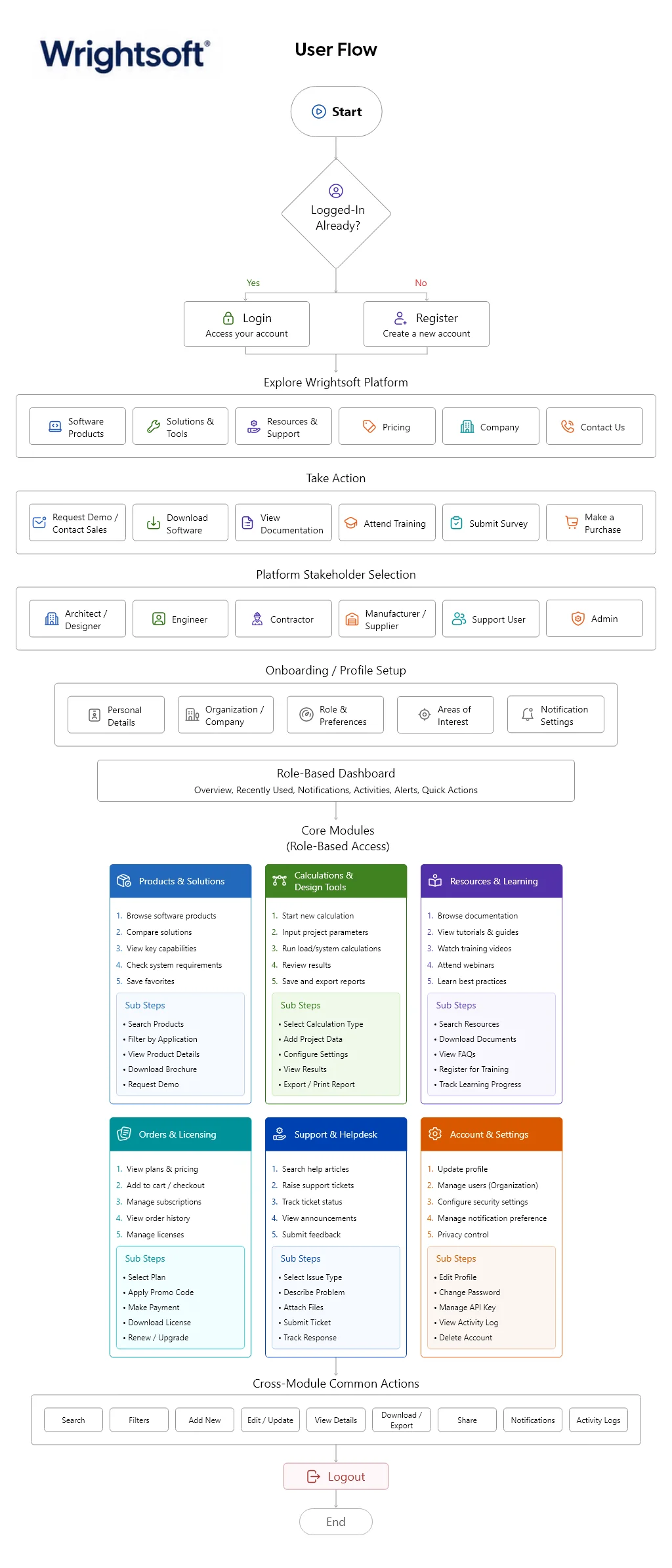
User flow
Feature Concepts
1. Custom WordPress Template Development
Create tailored templates for Wrightsoft’s product, content, and supporting pages while maintaining consistent layouts and reusable website components.
2. Dynamic Mega Menu
Organize products, categories, links, and resources within a structured navigation system that administrators can update through WordPress.
3. Advanced Custom Fields Integration
Provide editable content fields that allow administrators to manage structured page information without modifying source code.
4. Enterprise Security Improvements
Implement HSTS, Content Security Policy, secure cookie flags, and other controls to reduce risks related to insecure connections, XSS, clickjacking, CSRF, and session misuse.
5. Gravity Forms Implementation
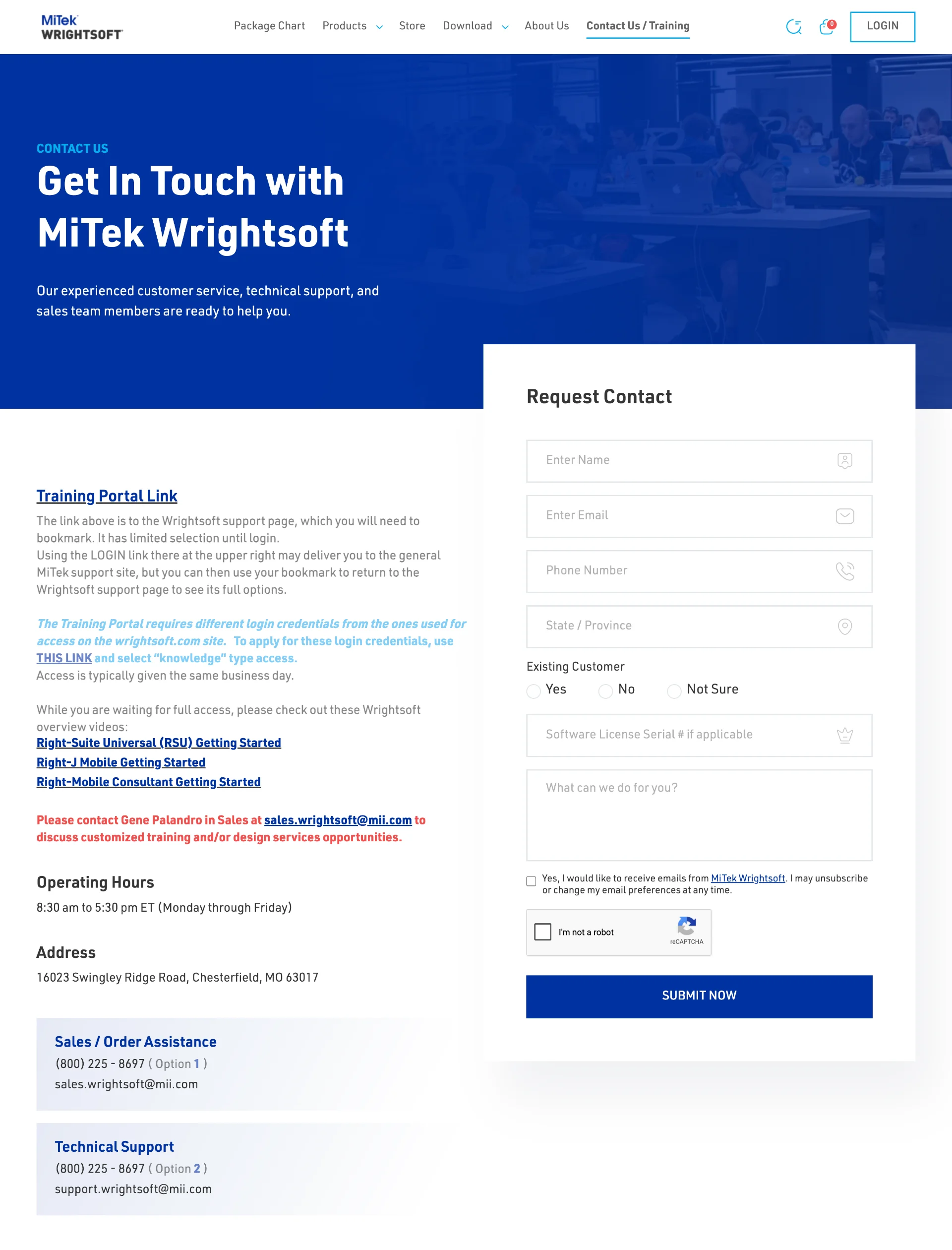
Support contact forms, registrations, surveys, lead-generation forms, feedback submissions, payment forms, and service requests through configurable workflows.
6. SMTP Email Integration
Route WordPress and form emails through authenticated mail services to improve delivery reliability, encryption, monitoring, and spam prevention.
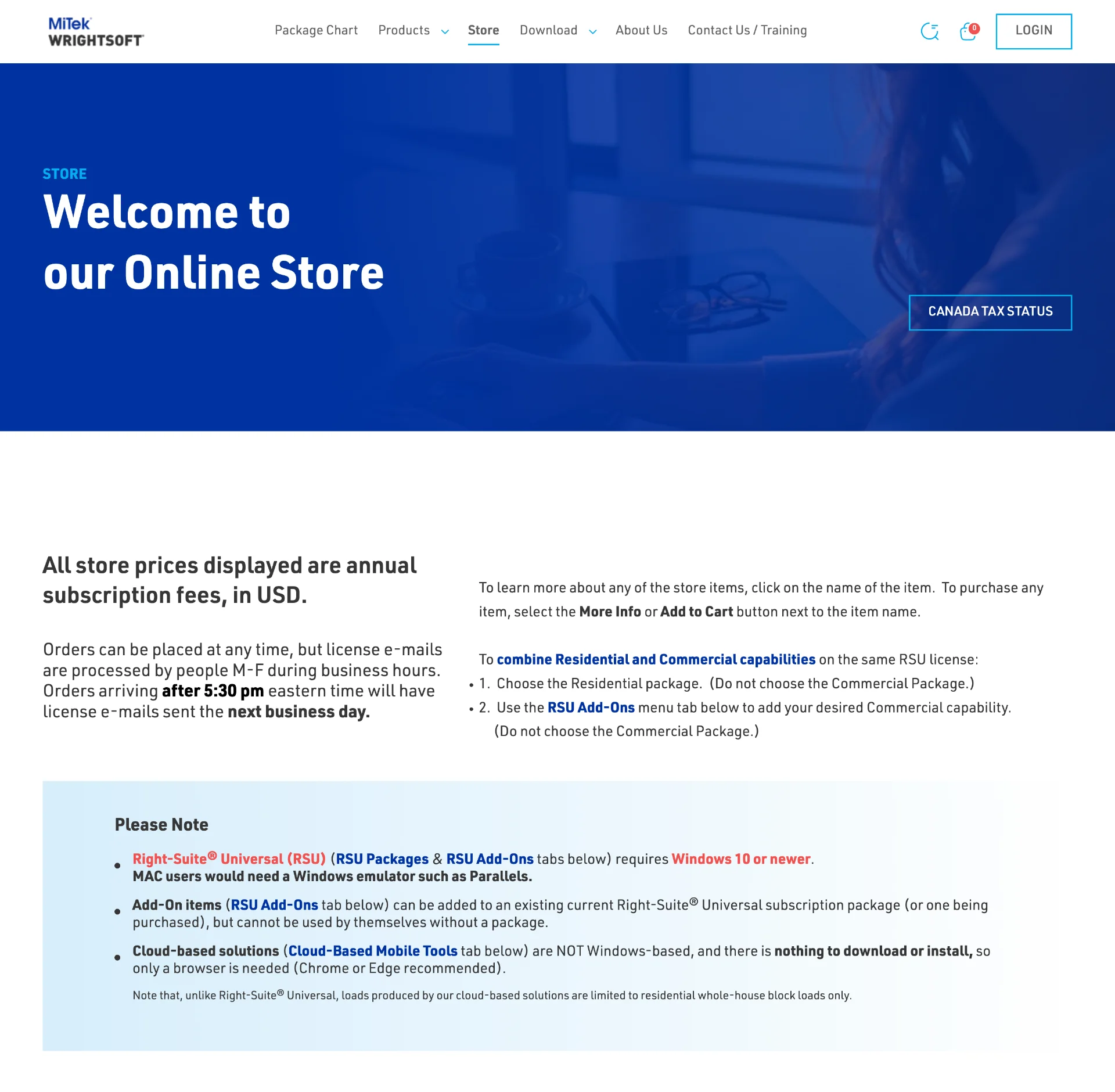
7. WooCommerce Integration
Enable product management, shopping carts, checkout, orders, customers, payments, taxes, shipping configurations, and administrative reporting.
8. Avalara AvaTax Integration
Automate location-based sales tax, VAT, or GST calculations and simplify transaction-level tax management for online purchases.
9. Authorize.Net Payment Gateway
Provide secure payment authorization, tokenization, refund handling, transaction management, and WooCommerce checkout integration.
10. JWT Authentication for WordPress REST API
Protect API communication through token-based authentication and controlled access for external applications or connected frontend systems.
11. Responsive Interface Enhancements
Improve page layouts, menus, forms, and commerce interactions across desktop, tablet, and mobile devices.
12. Website Maintenance and Defect Resolution
Address plugin issues, backend defects, UI inconsistencies, security updates, integration failures, and general website maintenance requirements.
13. Azure DevOps Workflow
Support source-code management, issue tracking, development coordination, and controlled deployment processes.
14. WordPress VIP Compatibility
Maintain development practices suited to an enterprise-grade WordPress environment focused on scalability, security, reliability, and high-traffic performance.
High fidelity designs
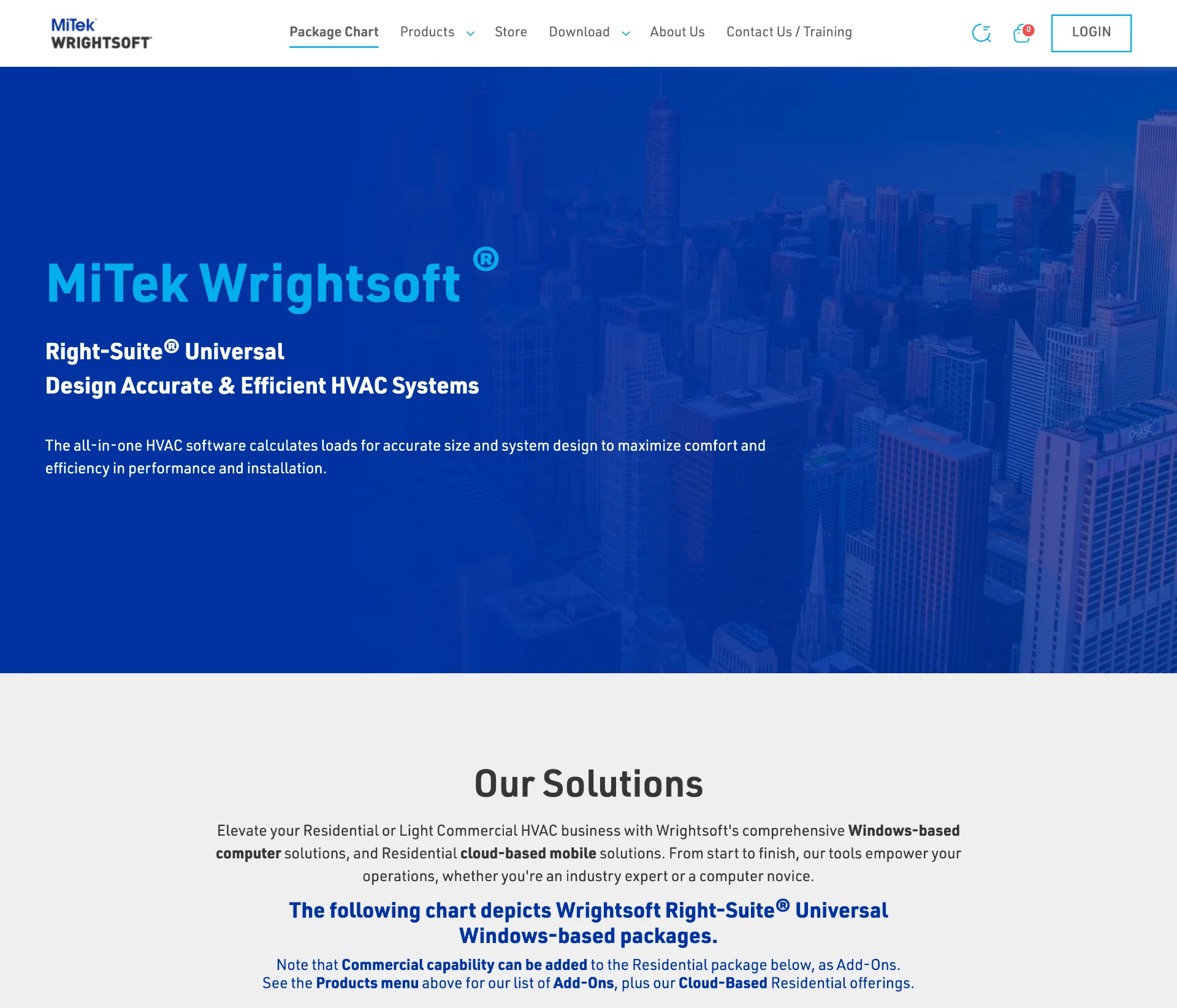
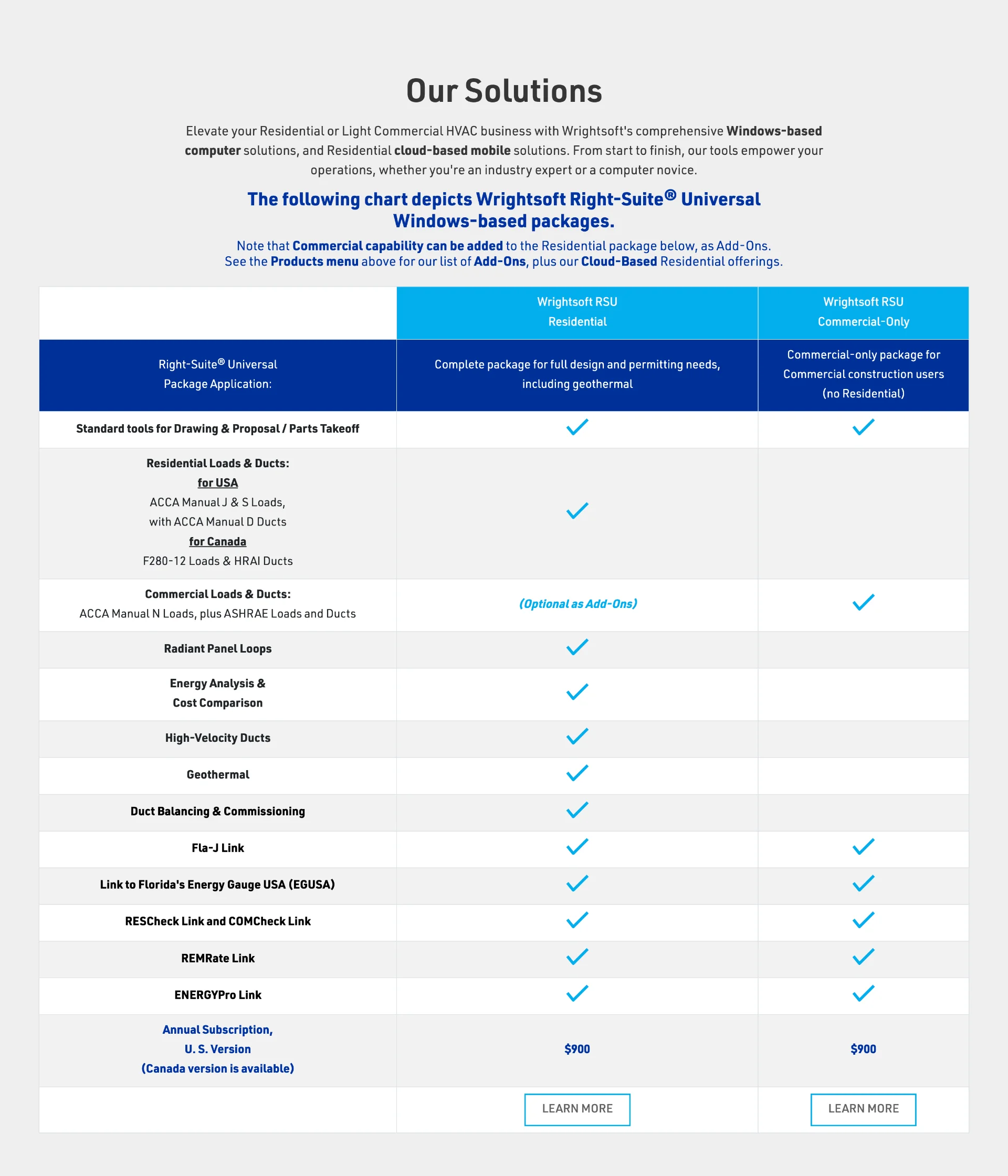
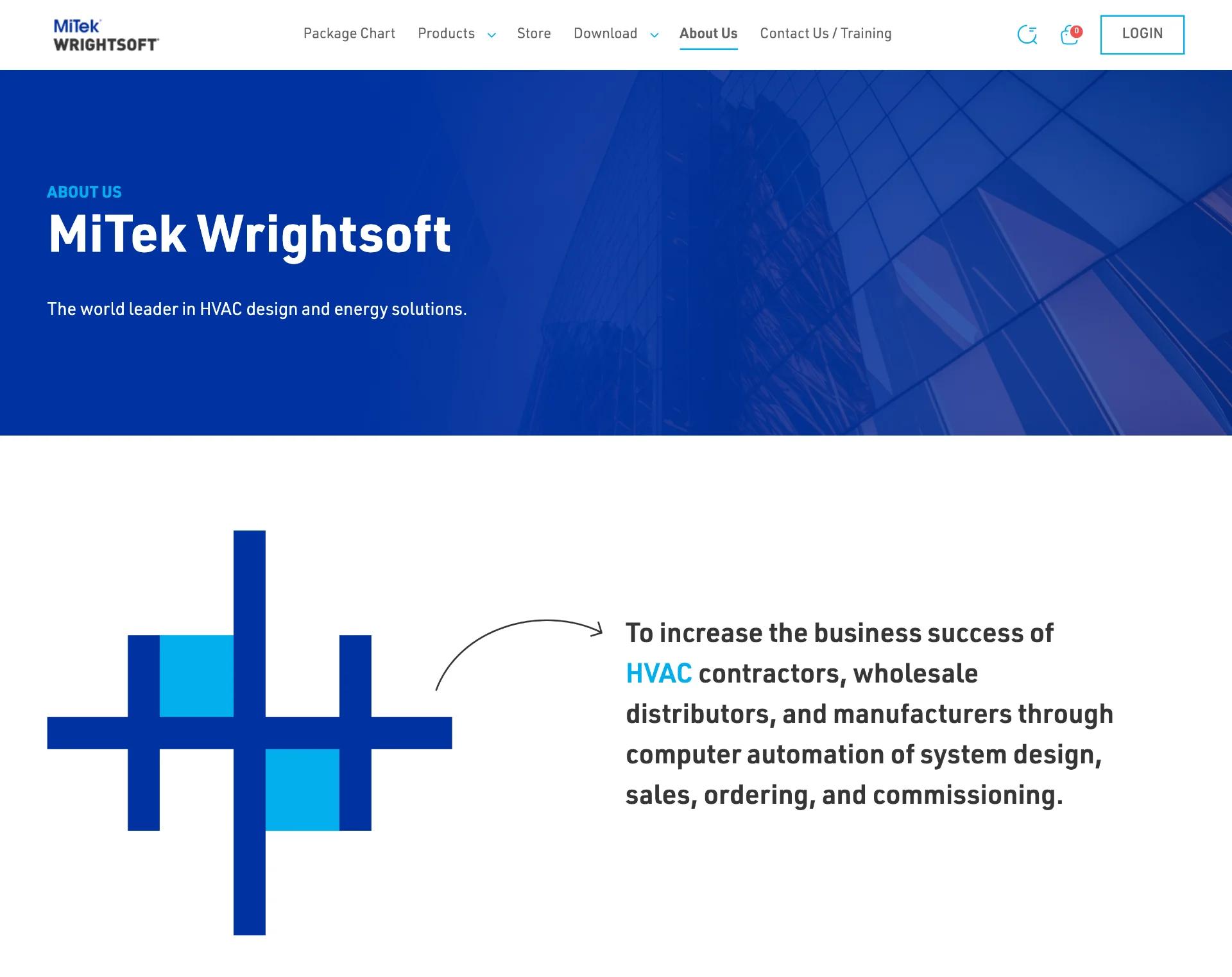
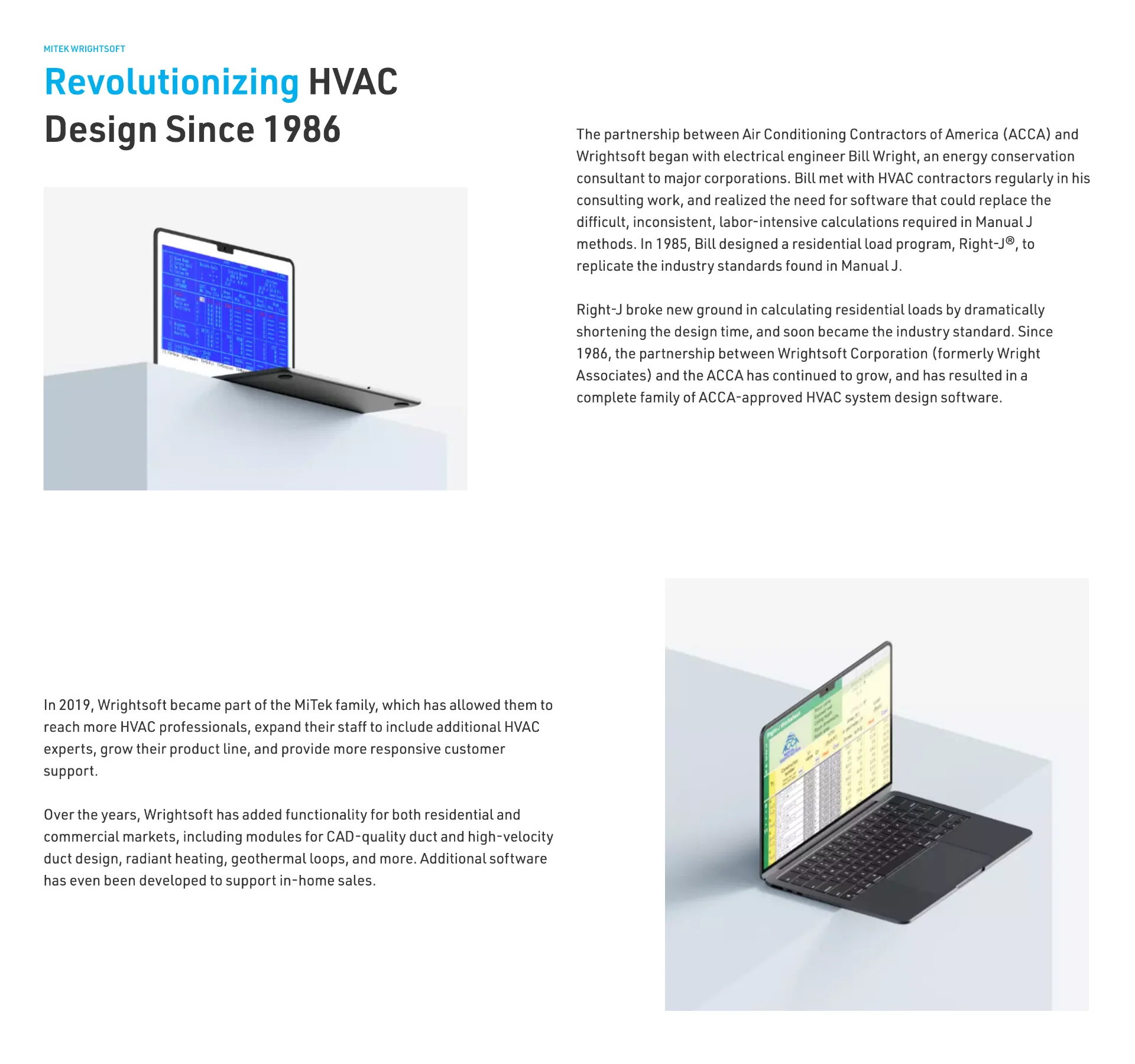
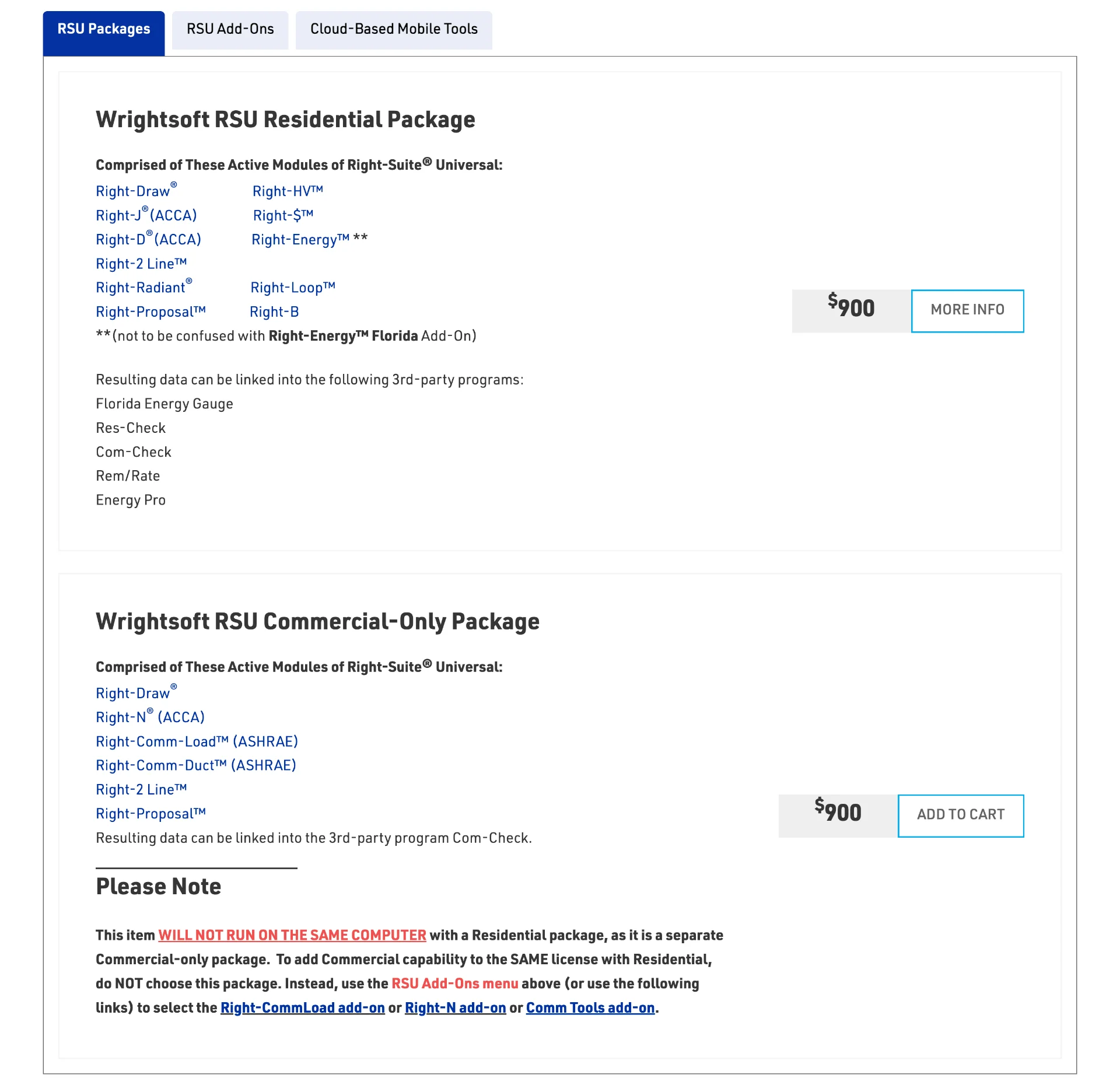
Codiant’s dedicated WordPress developers translated approved website requirements into responsive templates, editable content components, structured menus, secure forms, and eCommerce interfaces.
Reusable WordPress components were developed to maintain visual and functional consistency across product pages, informational sections, forms, and transactional journeys.
Implementation also considered backend usability, allowing administrators to update content and manage website operations without disrupting established layouts or requiring frequent code-level intervention.
Prototyping
New templates, navigation patterns, fields, forms, and commerce interactions were validated within the existing WordPress environment before broader deployment.
The dedicated developers reviewed how each enhancement affected content administration, responsiveness, plugin behaviour, security, checkout processes, and connected integrations.
Technical validation also covered form submissions, SMTP notifications, tax calculations, payment processing, API authentication, and browser-level security controls.
This reduced the risk of conflicts and helped maintain stability while changes were introduced to the live enterprise website.
Development
To strengthen Wrightsoft’s enterprise website, Codiant’s dedicated WordPress developers worked across custom templates, responsive interfaces, and editable ACF-powered content structures. Development included dynamic mega menus, Gravity Forms, SMTP delivery, WooCommerce workflows, AvaTax, Authorize.Net payments, JWT authentication, and website security improvements. The team also handled backend customization, bug resolution, maintenance, performance optimization, and deployment support within the existing WordPress environment.
 HTML5
HTML5
 CSS3
CSS3
 MySQL
MySQL
 Figma
Figma
 Illustrator
 Photoshop
 WordPress
 Php
Php
 Azure DevOps
The result
Wrightsoft gained dedicated WordPress development capacity without building separate internal teams for templates, plugins, commerce, APIs, and website security.
Custom templates and ACF-powered fields made technical product content easier to structure, publish, and maintain.
Dynamic mega-menu development improved access to Wrightsoft’s HVAC software, resources, and supporting website sections.
Gravity Forms and SMTP integration created more dependable workflows for enquiries, registrations, surveys, notifications, and customer communication.
WooCommerce, AvaTax, and Authorize.Net established connected product, checkout, taxation, payment, and order-management capabilities.
HSTS, CSP, secure cookie flags, and JWT authentication strengthened browser, session, and API-level protection.
Ongoing maintenance, defect resolution, responsive enhancements, and performance improvements supported a more stable enterprise website.
The engagement created a scalable WordPress foundation that can accommodate future products, content requirements, integrations, and customer journeys.