AI in Retail Australia- How Smart Automation Is Driving Revenue Growth in 2026
Table of Contents
Subscribe To Our Newsletter
Summarize with AI
Not enough time? get the key points instantly.
In a Nutshell
- The Australian retail sector is benefiting from AI in automating operations and making better strategic decisions.
- With smart retail automation solutions Australia, processes can be faster and the stores can run more efficiently.
- AI-driven retail analytics enable retailers to analyze customer behavior and anticipates buying habits.
- AI powered recommendation engines commercialize help you increase conversions by enabling more personalized product discovery with smarter suggestions.
- In retail, AI inventory management avoids stockouts and ensures the right products are on hand in all stores.
- Intelligent Automation is fuelling the retail digital transformation Australia
- Enhanced customer engagement and increased average order value through AI personalization for retail.
- AI-enabled dynamic pricing enables retailers to remain competitive and optimally price goods.
- The retail industry benefits from AI development leading to enhanced predictive demand forecasting and more intelligent supply chain management.
- AI retail technology trends 2026 will have a major impact on transforming how the retail operations run.
Retail in Australia is changing faster than ever. Customer expectations are rising. Competition is intensifying. And traditional retail operations are at a loss.
This group has already been a huge market by power of AI in retail Australia.
But from smart product suggestions to automated inventory tracking, artificial intelligence is enabling retailers to operate both faster and smarter and more efficiently than ever. With modern retail automation solutions Australia, businesses can analyze customer data, predict demand and personalize shopping experiences at scale.
With 2026 AI retail technology trends, AI is no more of a future prospect. It is also emerging as the backbone of retail digital transformation Australia and a critical engine for revenue growth.
Why AI is Becoming Essential for Retail Businesses in Australia?
Retail has always been a data-heavy industry.
Every purchase, customer interaction, product search and inventory movement generates valuable information. But without the right technology, most of that data remains unused.
This is exactly where AI in retail Australia is changing the game.
Artificial intelligence can process massive volumes of retail data in seconds. It can identify customer patterns, forecast demand and automate operational decisions that once required large teams and hours of analysis.
And the results are powerful. Retailers adopting retail AI solutions Australia are improving operational efficiency while increasing revenue.
1. The pressure facing Australian retailers
Retail businesses today operate in a highly competitive environment. Customers expect-
- Personalized shopping experiences
- Instant product availability
- Faster delivery and checkout
- Relevant product recommendations
Meeting these expectations manually is nearly impossible.
This is why more companies are investing in retail automation solutions Australia.
AI allows retailers to automate routine tasks such as-
- product categorization
- inventory tracking
- marketing optimization
- customer engagement
Instead of reacting to problems, businesses can predict them.
2. Data-driven decision making
Another major advantage of AI development for retail industry is predictive intelligence.
AI systems analyze historical sales data, seasonal demand patterns & customer behavior to forecast future trends. Retailers can anticipate demand shifts, optimize stock levels, and plan promotions with far greater accuracy.
This reduces waste, prevents stockouts & improves profitability.
Ultimately, AI is helping retailers move from reactive operations to proactive strategy. And this shift is accelerating the overall retail digital transformation Australia.
Turn Retail Data into Revenue
Discover how AI-powered retail automation helps Australian retailers increase sales, optimize operations, and improve customer experiences.
How AI-Driven Automation Is Increasing Retail Revenue in 2026?
Artificial intelligence is not just improving retail operations. It is directly impacting revenue.
Retailers across Australia are using smart automation to increase sales, reduce operational costs, and improve customer retention. The result is measurable business growth.
Let’s look at how AI-powered automation is driving revenue growth in retail in 2026.
1. Higher Conversion Rates Through Personalized Shopping
One of the most powerful revenue drivers in modern retail is personalization. AI systems analyze customer behavior in real time and recommend products that match individual preferences. These recommendations appear across websites, mobile apps & email campaigns.
Retailers using AI recommendation engines retail often see higher product discovery and improved purchase intent. When customers see products that align with their interests, they are far more likely to complete a purchase.
This is why AI personalization for retail is becoming a core revenue strategy.
2. Increased Average Order Value
AI recommendation systems also encourage customers to purchase additional products.
For example:
If a shopper buys running shoes, AI may suggest socks, fitness trackers, or sports apparel.
These cross-selling and upselling strategies are powered by AI-powered retail analytics that identify product relationships and buying patterns.
As a result, retailers increase their average order value (AOV) without aggressive marketing.
3. Reduced Revenue Loss from Stockouts
One of the biggest hidden revenue losses in retail comes from stockouts. When products are unavailable, customers simply buy from competitors.
With AI inventory management retail, retailers can forecast demand accurately and maintain optimal stock levels. AI systems continuously analyze demand signals, allowing businesses to replenish products before inventory runs out.
This ensures retailers never lose sales due to unavailable products.
4. Smarter Pricing Strategies
Pricing plays a huge role in retail profitability.
AI-powered pricing models analyze-
- competitor prices
- demand patterns
- customer behavior
- seasonal trends
Retailers can adjust prices dynamically to maximize revenue while staying competitive.
Many retail automation solutions Australia now include AI-driven pricing optimization tools that help retailers respond to market changes instantly.
5. Improved Customer Retention and Lifetime Value
Acquiring a new customer is often far more expensive than retaining an existing one. AI helps retailers build stronger long-term relationships with customers by delivering relevant experiences across every touchpoint.
Using AI-powered retail analytics, businesses can predict when customers are likely to churn and trigger personalized offers to retain them. Higher retention leads to increased customer lifetime value (CLV), which directly contributes to long-term revenue growth.
6. Operational Efficiency That Protects Profit Margins
Revenue growth is not only about selling more products. It is also about reducing operational inefficiencies.
Automation helps retailers optimize supply chains, reduce manual processes & minimize errors. By implementing retail automation solutions Australia, businesses can lower operational costs while maintaining high service quality.
This improves profit margins while supporting scalable growth.
How AI is Transforming the Retail Industry in Australia?
Artificial intelligence is not just improving retail processes. It is completely redefining how the industry operates. Across Australia, businesses are integrating AI into nearly every part of the retail ecosystem.
From customer experience to supply chain management, AI-powered systems are enabling smarter and faster decision-making.
Let’s explore how AI in retail Australia is transforming the industry.
1. Smarter Customer Experiences
Today’s consumers expect personalized experiences. They want retailers to understand their preferences, shopping habits & needs. This is where AI personalization for retail becomes extremely powerful.
AI analyzes customer behavior across websites, apps, and physical stores. It identifies patterns in browsing activity, past purchases & engagement data.
Based on this information, retailers can deliver-
- personalized product recommendations
- targeted promotions
- customized shopping experiences
Many ecommerce platforms now use AI recommendation engines retail to automatically suggest products customers are most likely to buy.
This improves both customer satisfaction and conversion rates.
2. AI-Powered Retail Analytics
Retailers generate enormous volumes of data every day. But raw data alone does not drive growth.
What matters is insight. With AI-powered retail analytics, businesses can transform retail data into actionable intelligence.
AI systems analyze-
- customer behavior
- sales trends
- product performance
- store traffic patterns
Retailers can quickly identify which products are selling, which promotions are working & which locations are underperforming.
This allows leadership teams to make faster and more informed decisions.
3. Automation in Store Operations
Artificial intelligence is also transforming retail operations. Tasks that once required manual monitoring are now handled by intelligent systems.
Examples include-
- automated checkout systems
- smart shelf monitoring
- real-time stock tracking
- AI-powered demand forecasting
These innovations are part of the growing ecosystem of retail automation solutions Australia. By automating operational processes, retailers reduce human error, improve efficiency & lower operational costs.
Key AI Technologies Powering Retail Automation in 2026
Artificial intelligence in retail is not a single technology. It is an ecosystem of multiple AI capabilities working together to automate operations, improve decision-making & personalize customer experiences.
As part of AI retail technology trends 2026, several AI technologies are becoming essential for modern retailers in Australia.
Let’s explore the most important ones.
1. Machine Learning for Demand Forecasting
Machine learning models analyze historical sales data, seasonal patterns, weather changes, and customer behavior to predict demand. Retailers can forecast which products will sell, when demand will increase & how inventory should be distributed.
This capability helps retailers avoid stockouts while minimizing excess inventory. Many retail automation solutions Australia rely on machine learning models to optimize supply chain planning.
2. Computer Vision for Smart Stores
Computer vision allows AI systems to interpret visual data from cameras and sensors.
Retailers are using this technology for-
- cashierless checkout systems
- shelf monitoring
- product recognition
- theft prevention
Smart shelves can detect when products are running low and automatically notify staff or reorder inventory. This improves operational efficiency while reducing manual monitoring.
3. Natural Language Processing for Customer Interaction
Natural Language Processing (NLP) enables machines to understand human language.
Retailers use NLP to power-
- AI chatbots
- virtual shopping assistants
- voice search tools
These tools help customers find products faster and receive instant support. For many businesses investing in AI development for retail industry, conversational AI is becoming a critical customer engagement channel.
4. Predictive Analytics for Business Intelligence
Predictive analytics combines AI models with large datasets to forecast future outcomes.
Retailers can predict-
- purchasing behavior
- product demand
- marketing campaign performance
- pricing trends
Using AI-powered retail analytics, retailers can make strategic decisions based on predictive insights rather than guesswork.
How AI Personalization Is Boosting Customer Engagement and Sales?
One of the biggest advantages of AI in retail is personalization. Consumers today expect retailers to understand their preferences and deliver relevant shopping experiences.
Generic marketing campaigns are becoming less effective. This is why AI personalization for retail is becoming a major driver of revenue growth.
1. Smarter Product Recommendations
Most major ecommerce platforms now use AI recommendation engines retail to personalize product discovery.
These systems analyze-
- browsing behavior
- purchase history
- search patterns
- product interactions
Based on this data, AI suggests products customers are most likely to purchase. Retailers using recommendation engines often see significant improvements in conversion rates and average order value.
2. Personalized Promotions
AI also enables retailers to offer very targeted promotions. Retailers can send out different discounts or campaigns to individual customers instead of the same offers.
For example, a customer that regularly purchases fitness equipment might be presented with personal offers on new training products. This boosts engagement and enhances marketing ROI.
3. Improved Customer Retention
Building better relationships with end-customers: Personalized experiences When they always find relevant products, useful recommendations, and tailored offers in front of them, it pulls them back as a shopper.
This is essentially where AI based retail analytics with personalization strategies can greatly enhance customer lifetime value.
Build Smarter Retail Experiences With AI
Implement intelligent retail automation solutions to personalize shopping journeys, improve inventory control, and accelerate revenue growth.
AI Inventory Management- Solving One of Retail’s Biggest Challenges
Inventory management has always been one of the most complex aspects of retail operations. Retailers must balance supply and demand across multiple stores, warehouses & online channels.
Traditional inventory systems often rely on static rules or manual monitoring. But AI inventory management retail is changing that.
1. Predictive Demand Planning
AI systems analyze large volumes of historical sales data and external factors such as seasonality and market trends. This allows retailers to predict future demand with much higher accuracy.
Retailers can ensure products are available when customers want them without overstocking.
2. Automated Stock Replenishment
AI can automatically trigger inventory replenishment when stock levels drop below optimal thresholds. Instead of waiting for manual intervention, systems can instantly generate purchase orders or warehouse transfers.
Many retail automation solutions Australia are integrating automated replenishment systems to streamline supply chain management.
3. Real-Time Inventory Visibility
AI platforms provide real-time visibility into inventory levels across stores, warehouses, and distribution centers. Retailers can track inventory movement and adjust stock allocation dynamically.
This prevents lost sales due to stockouts while improving operational efficiency.
Real-World AI Use Cases in Australian Retail
Retailers across Australia are already implementing AI to transform their operations. These real-world applications demonstrate how retail AI solutions Australia are creating measurable business impact.
1. AI-Powered Product Recommendations
Many ecommerce retailers use AI recommendation engines retail to increase product discovery. Customers receive suggestions based on their browsing and purchasing behavior.
This leads to higher engagement and increased sales.
2. Customer Behavior Analytics
Retailers use AI-powered retail analytics to understand how customers interact with products, websites, and stores. These insights help businesses optimize store layouts, marketing campaigns & merchandising strategies.
3. AI Customer Support
AI chatbots can handle common customer queries such as order tracking, product availability, and return policies. This reduces support workload while improving response times.
4. Dynamic Pricing Optimization
AI systems analyze demand, competitor pricing & market trends to adjust prices dynamically. Retailers can maximize profitability while staying competitive.
5. Fraud Detection
AI algorithms monitor transaction patterns to identify suspicious activity. This helps retailers reduce fraud and protect revenue.
Top AI Retail Technology Trends in Australia for 2026
The retail industry continues to evolve as new technologies emerge. Several innovations are shaping AI retail technology trends 2026.
1. Autonomous Retail Stores
Cashier less stores powered by computer vision and AI sensors are becoming more common. Customers can simply walk in, pick products, and leave while the system automatically processes payment.
2. AI-Powered Visual Search
Customers can upload images to search for similar products online. Visual search technology helps retailers improve product discovery and customer convenience.
3. Predictive Supply Chain Intelligence
AI systems analyze logistics data to optimize delivery routes, warehouse operations, and distribution planning. This improves supply chain efficiency while reducing costs.
4. Voice Commerce Growth
Voice assistants are enabling customers to search for products and place orders using voice commands. Retailers are integrating voice commerce capabilities into their digital platforms.
5. Hyper-Personalized Shopping Experiences
AI-driven personalization will continue evolving. Retailers will deliver individualized shopping journeys tailored to each customer’s preferences and behavior.
How Retailers Can Successfully Implement AI Solutions?
Adopting AI requires more than just installing new software. Successful implementation involves strategic planning and the right technology partners.
Retailers looking to adopt AI development for retail industry should follow a structured approach.
1. Identify Business Challenges
Retailers should begin by identifying the most pressing operational challenges.
Common areas include-
- inventory management
- customer engagement
- demand forecasting
- marketing optimization
These problems can often be solved using retail automation solutions Australia.
2. Build a Data Foundation
AI systems depend on high-quality data. Retailers must ensure their data infrastructure can support analytics and machine learning models.
3. Start with Pilot Projects
Instead of implementing AI across the entire organization immediately, retailers should start with pilot projects. This allows teams to evaluate performance and refine strategies before scaling.
4. Scale Successful Solutions
Once AI initiatives demonstrate measurable value, retailers can expand these solutions across their operations. This accelerates retail digital transformation Australia.
The Future of AI in Retail Australia
The next decade will bring even deeper integration of artificial intelligence into retail. Retailers will rely on AI for everything from supply chain optimization to customer engagement.
As technologies continue to evolve, AI in retail Australia will enable fully intelligent retail ecosystems. Stores will become smarter; customer experiences will become more personalized & operational decisions will become increasingly data driven.
Businesses that invest early in retail AI solutions Australia will gain a significant competitive advantage. Those that delay adoption may struggle to keep up with rapidly changing consumer expectations.
Conclusion
Artificial intelligence is rapidly redefining how retail businesses operate in Australia. From AI personalization for retail to AI inventory management retail and AI-powered retail analytics, smart automation is enabling retailers to operate more efficiently while delivering better customer experiences. Many businesses are now partnering with Codiant, a trusted provider of AI development services in Australia, to implement intelligent retail solutions and drive smarter growth.
As AI retail technology trends 2026 continue to evolve, retailers that adopt intelligent automation early will unlock new opportunities for growth, efficiency, and customer engagement. The future of retail will not simply be digital. It will be intelligent, predictive, and powered by AI.
Future-Proof Your Retail Business
Adopt advanced AI retail technologies that help businesses automate operations, improve insights, and unlock scalable growth.
The Author

Frequently Asked Questions
AI improves customer experience by personalizing product recommendations, enabling faster customer support through chatbots & delivering relevant promotions based on shopping behavior and preferences.
Modern retailers use AI tools such as recommendation engines, demand forecasting systems, predictive analytics platforms, AI chatbots & computer vision technologies for store automation.
AI systems process large volumes of customer data to identify behavioral patterns, purchasing trends & engagement signals. These insights help retailers make data-driven marketing and merchandising decisions.
Common AI use cases include inventory management, personalized marketing, customer behavior analysis, pricing optimization, supply chain forecasting & automated customer service.
Retailers should begin by identifying operational challenges, organizing their data infrastructure, testing pilot AI projects & gradually scaling successful solutions across their business operations.
Featured Blogs
Read our thoughts and insights on the latest tech and business trends
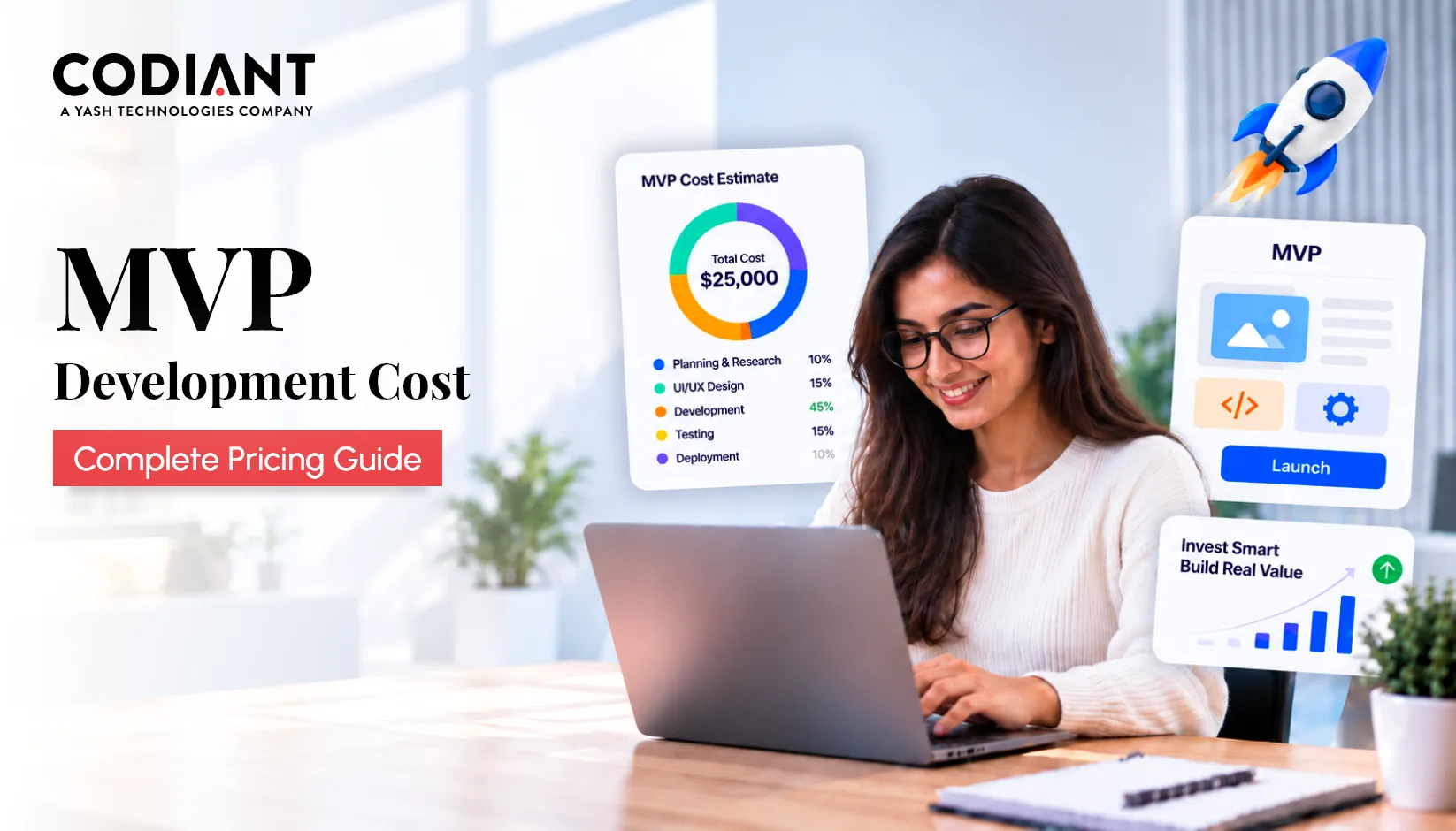
How Much Does It Cost to Build an MVP in 2026? A Complete Pricing Guide
- September 10, 2026
- Digital Transformation
MVP development cost typically ranges from $5,000 for a basic web-based product to $150,000 or more for a complex, cross-platform solution. A custom MVP with user accounts, a backend, essential integrations and a polished interface... Read more
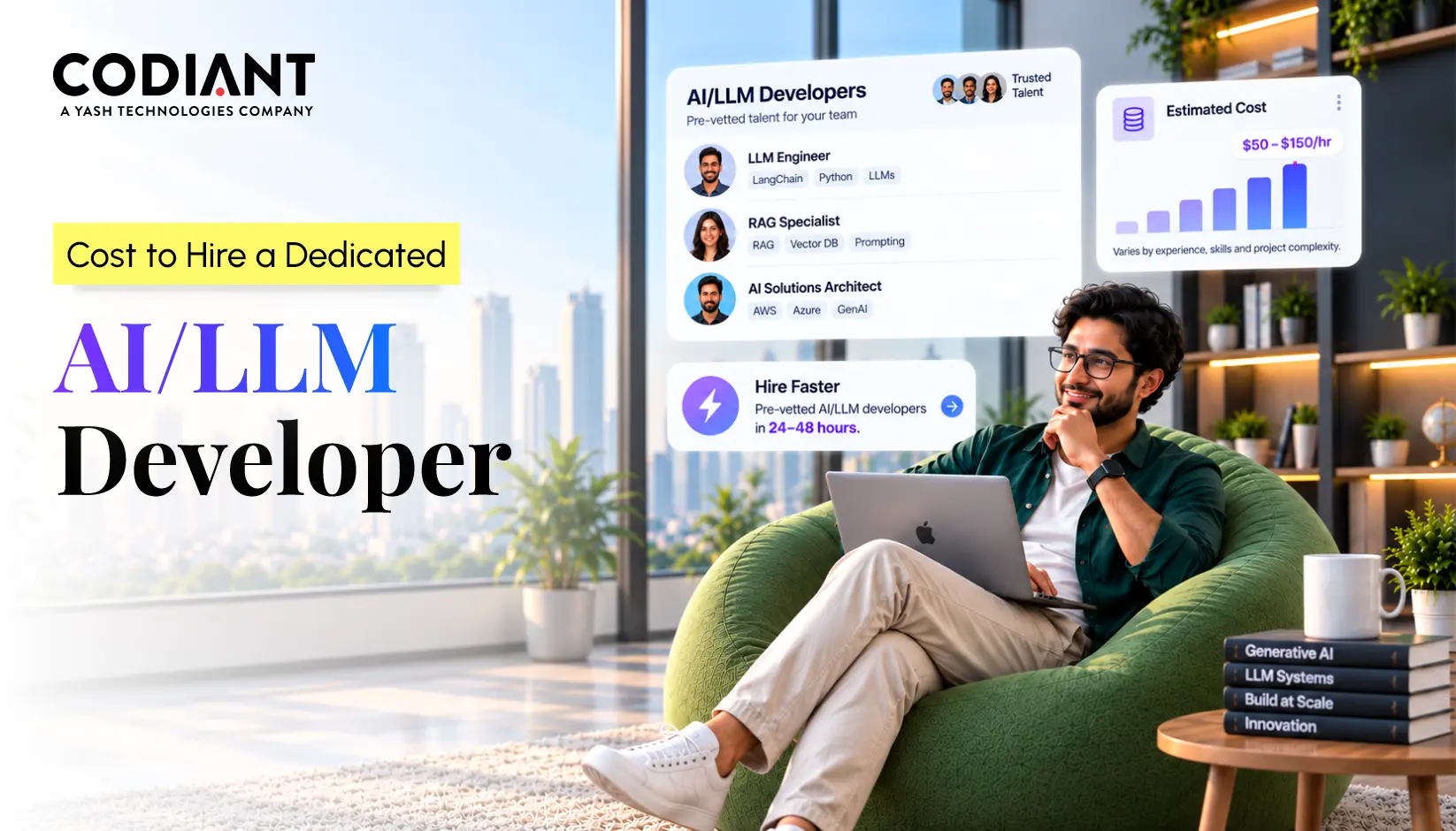
How Much Does It Cost to Hire a Dedicated AI/LLM Developer in 2026?
- September 8, 2026
- Artificial Intelligence Staff Augmentation
Hiring a dedicated AI or large language model (LLM) developer typically costs $35–$60 per hour for general AI engineering and $50–$200 per hour for specialised machine learning work, with enterprise pricing rising for advanced RAG,... Read more

HIPAA-Compliant App Development in 2026: How to Build Securely and Avoid Preventable Fines
- September 4, 2026
- Mobile App Development
HIPAA-compliant app development in 2026 requires six foundations: complete ePHI mapping, documented risk analysis, role-based access, encryption, signed business associate agreements, and continuous security monitoring. This matters most to healthcare CTOs, product leaders, and compliance... Read more