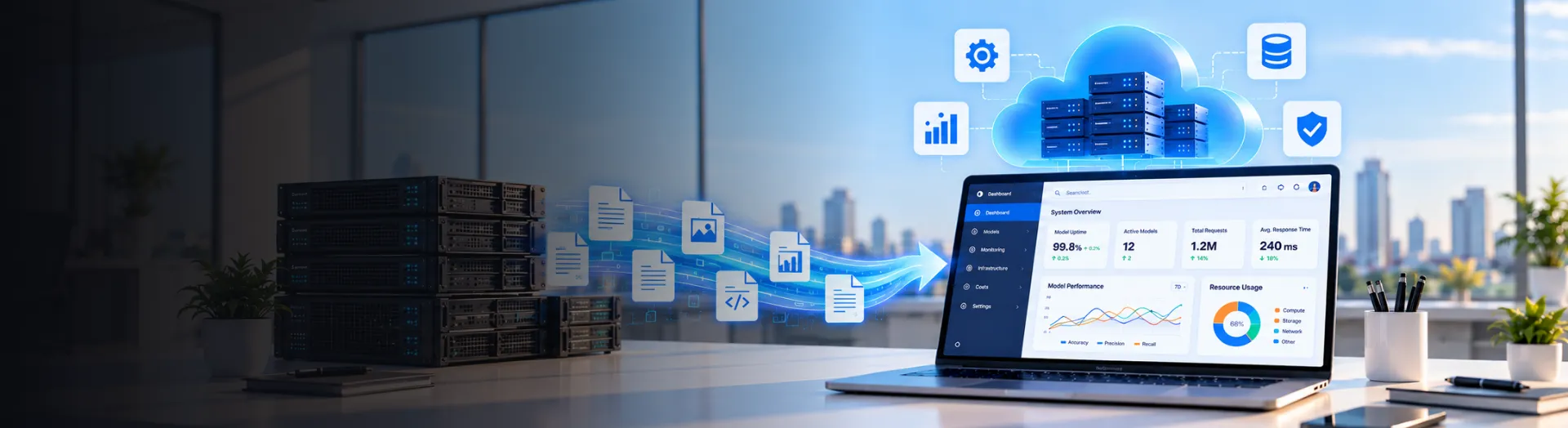
Legacy Application Modernization Services With AI
Upgrade aging applications to meet today’s business needs. Improve code, infrastructure, integrations, and user experiences through a phased modernization plan built around your existing operations.
Discuss Your ProjectLegacy Application Modernization Services for Your Business
Address the parts of your software that slow progress. Choose targeted improvements or broader application changes based on business priorities, technical dependencies, and maintenance needs.
Application Modernization Consulting
Assess application dependencies, technical debt, and business priorities. Build a phased modernization roadmap with defined scope, recommended approaches, and delivery milestones.
Application Reengineering
Rework legacy code and application architecture to address performance and maintenance challenges. Preserve essential business rules while improving how the software is built.
Application Containerization
Package applications and their dependencies into containers. Create consistent deployment environments and define resource, networking, and configuration requirements for supported workloads.
Mainframe Modernization
Assess mainframe workloads for selective updates, integration, or migration. Plan changes around transaction processing, batch jobs, data dependencies, and essential business logic.
UI/UX Modernization
Refresh outdated interfaces around real user tasks. Simplify navigation, improve accessibility, and create consistent experiences across desktop, tablet, and mobile screens.
Infrastructure Modernization
Upgrade aging compute, storage, and network environments. Address capacity constraints, unsupported components, and resilience requirements based on how applications operate.
Infrastructure Migration
Move application infrastructure to suitable hosting environments. Map dependencies and plan data transfers, validation, cutover activities, and rollback procedures before deployment.
Cloud-Native Application Development
Develop application components using suitable cloud services and modular architectures. Design deployment, scaling, monitoring, and recovery around each workload’s requirements.
DevOps Implementation
Establish repeatable build, test, and deployment workflows. Introduce automated checks, release approvals, monitoring, and rollback procedures to support ongoing application changes.
Modern Technologies for Your Legacy Applications
Extend existing software with AI, computer vision, IoT, and immersive experiences, selected around your business needs and application readiness.
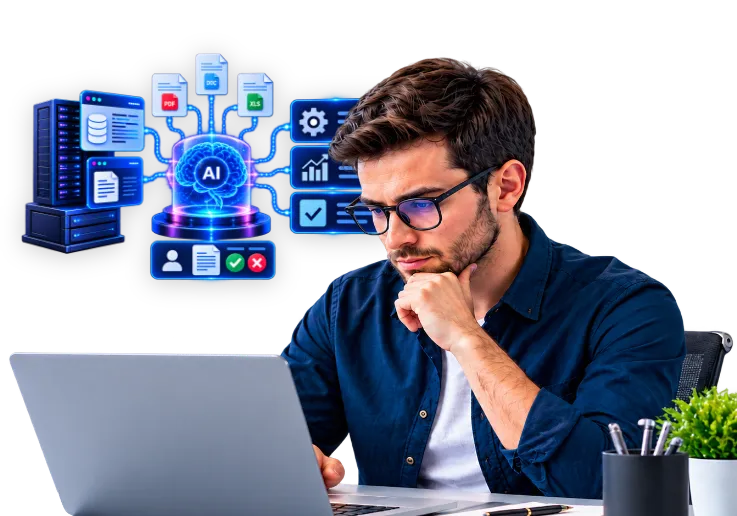
Artificial Intelligence
Add AI capabilities to legacy applications for document processing, repetitive task automation, and decision support. Connect models with relevant business data and define human review where needed.
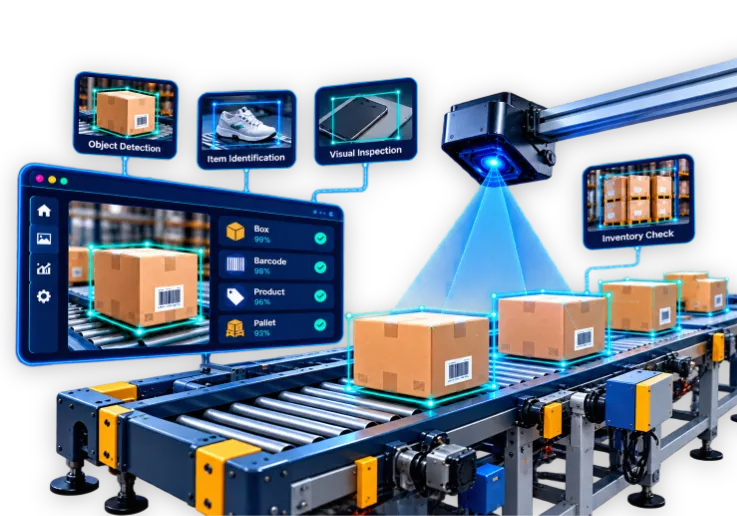
Computer Vision
Bring image and video analysis into existing workflows. Support visual inspections, item identification, and inventory checks with capabilities tailored to your operating environment.
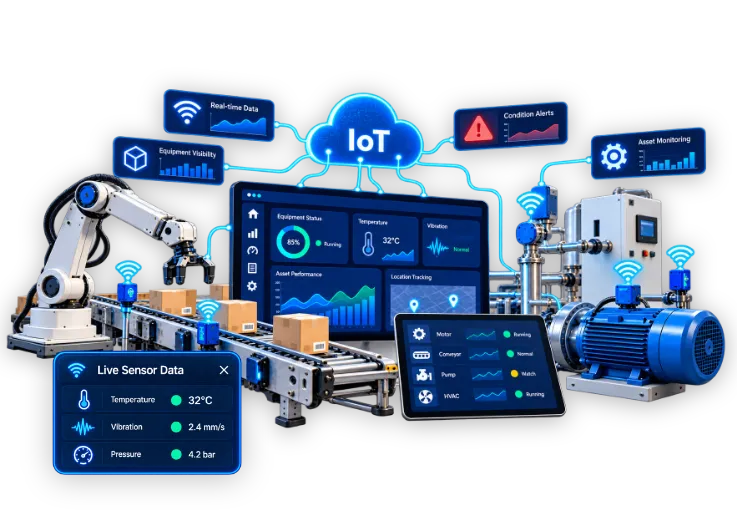
Internet of Things
Connect existing applications with sensors and devices to collect operational data. Enable asset monitoring, condition alerts, and equipment visibility within your business workflows.
Augmented & Virtual Reality
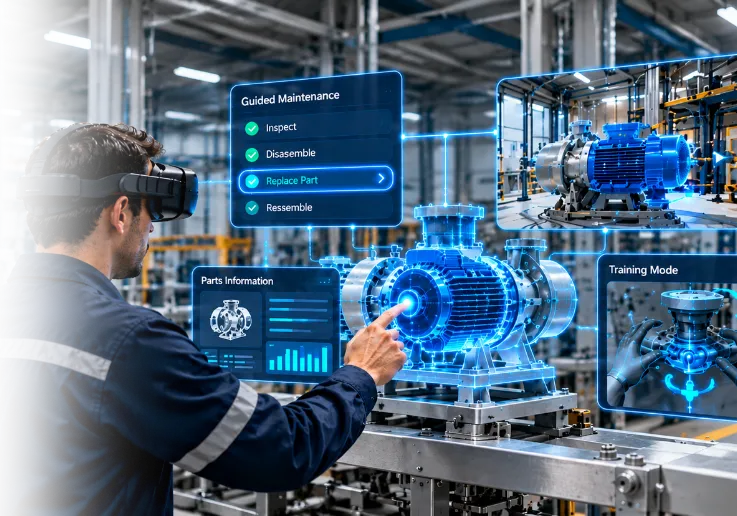
Extend legacy software with interactive training, guided maintenance, and product visualization. Connect immersive experiences with existing application data to support practical business tasks.
Our Legacy Application Modernization Process
We assess how your applications work, agree on the right changes, and validate each phase before expanding the rollout.
We review source code, infrastructure, integrations, data flows, and user workflows. Together, we identify constraints, document dependencies, and establish performance and operational baselines.
We select suitable modernization approaches and define the target architecture. The roadmap sets priorities, delivery phases, acceptance criteria, migration requirements, and rollback arrangements.
We implement changes in agreed stages, testing functionality, integrations, security, and data consistency. Pilot releases help validate the approach before wider deployment.
We monitor the updated application, resolve release issues, and validate agreed outcomes. Documentation and knowledge transfer prepare your teams for ongoing support.
Why Choose Codiant for Legacy Application Modernization?
We connect technical decisions with business priorities, giving each phase a defined scope, clear ownership, and agreed measures of completion.
Business-Led Planning
We prioritize changes around operational impact, user needs, and technical risk, with clear reasons for what moves first.
Targeted Application Changes
We assess which components need attention and which remain suitable, helping define a focused and manageable modernization scope.
Controlled Delivery
We plan phased releases with testing, monitoring, and rollback arrangements based on your application’s operational requirements.
Practical Team Handover
We document architecture, integrations, deployment steps, and support procedures so your teams can manage the updated application.
Benefits of Legacy Application Modernization
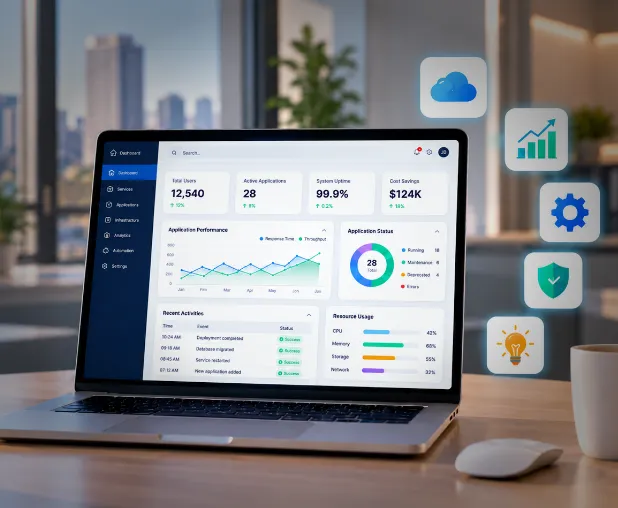
Modernization priorities should reflect your application’s actual limitations. Set measurable goals for maintenance, performance, integration, and usability before implementation begins.
Easier Maintenance
Address complex code and outdated dependencies to make application updates more manageable. Support future changes with clearer documentation and testing.
Better Resource Use
Review hosting, licensing, and infrastructure requirements. Identify opportunities to adjust capacity and retire components that no longer serve a business need.
Simpler Integrations
Improve how applications exchange data with business platforms. Define interfaces and error handling to reduce reliance on fragile, undocumented connections.
Improved User Experience
Simplify repetitive tasks and outdated workflows. Validate interface changes with users to check whether they improve task completion and everyday usability.
Give Your Legacy Applications a Clear Modernization Roadmap
Discuss application challenges, technical dependencies, and business priorities to define practical next steps with Codiant.
Get Started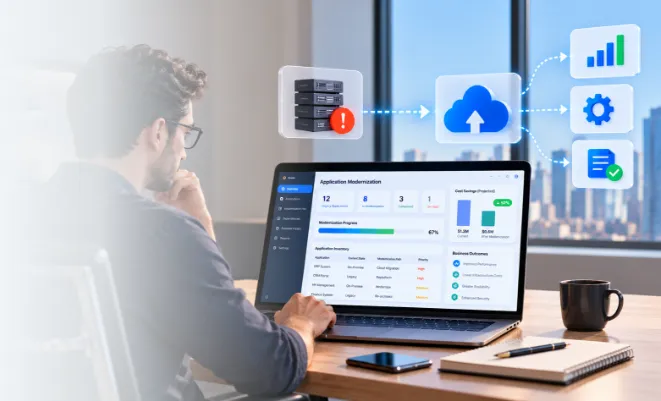
Frequently Asked Questions
Legacy application modernization services update existing software’s code, architecture, infrastructure, or interfaces to meet current business and technical requirements.
Yes. Suitable applications can be refactored, replatformed, or updated selectively, depending on their condition, dependencies, and business requirements.
Timelines depend on application size, code quality, integrations, data migration, testing requirements, and the scope of planned changes.
Costs depend on assessment findings, modernization scope, architecture changes, migration complexity, testing, and support. Request an estimate after discovery.